After eleven years in bathroom showrooms, I’ve seen enough "feature walls" and questionable tile choices to fill a landfill. But if there is one thing I’ve learned, it’s that the bathroom isn't just a functional box for plumbing; it’s the place where your day either begins with clarity or ends with a weary exhale. It’s a ritual space. And yet, the most common error I see clients make—regardless of their renovation budget—is treating the mirror as an afterthought.
You’ve likely heard the advice to "just renovate" if your bathroom feels dark. Please, ignore that. Renovation is expensive, stressful, and usually involves a timeline that stretches three times longer than promised. Instead, I’m a firm believer in the "small changes that change the whole room" philosophy. One of the most effective of these? The oversized mirror. But does it actually make your bathroom lighting better, or is it just a massive piece of glass reflecting your own sleep-deprived face?
The Physics of Light: More Glass, More Glow
Let’s cut the fluff. Does a larger mirror brighten a bathroom? Yes, but not because the mirror itself generates light. It works because of reflection physics. When you install an oversized mirror, you are essentially creating a secondary source of illumination. By strategically positioning that mirror, you can reflect natural light from a window or skylight into those deep, dim corners of the vanity area.
If you don’t have a window, you need to making a dark bathroom brighter be intentional about how you reflect artificial light. A large mirror captures the output from your downlights or wall sconces and bounces it back into the space. If you are browsing the LED Mirror World website, you’ll notice that many of their larger pieces aren't just mirrors; they are integrated light sources. Here's a story that illustrates this perfectly: made a mistake that cost them thousands.. This is where the magic happens. A mirror that is oversized effectively diffuses that artificial light across a broader surface area, which helps to brighten bathroom spaces without the harshness of a spotlight.
The Psychology of Luxury: It’s About the Ritual
We often talk about "luxury" in terms of marble countertops and gold-plated taps. That’s not luxury; that’s just expensive hardware. True luxury is atmospheric. When you walk into a bathroom that has been properly lit—where the light is layered, soft, and balanced—your cortisol levels naturally drop. That’s the psychology of a calm, simple space.
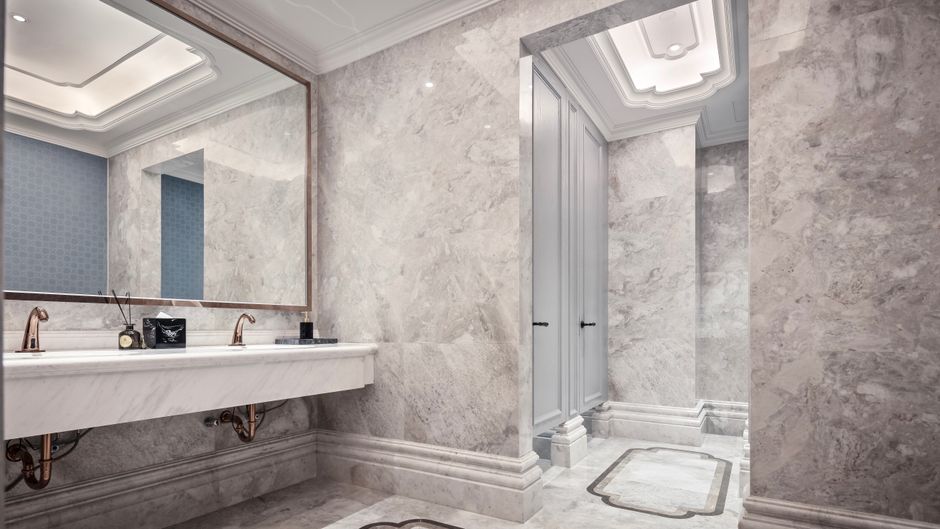
An oversized mirror contributes to this by creating a sense of volume. In a small apartment or an older heritage home, a floor-to-ceiling mirror tricks the brain into thinking the room is twice the size it is. That openness allows you to breathe. When you’re performing your morning skincare routine or trying to wake up before a commute, you don’t want to be fighting with shadows.
Understanding the Three Layers of Lighting
If you are thinking about swapping your builder-grade mirror for something larger, don't just slap it on the wall. As a former consultant, I always check the lighting temperature and mirror placement first. If you get this wrong, no amount of glass will save you. Exactly.. Here is the framework I use for every consult:
Layer Purpose Consultant Tip Ambient General fill light Keep it warm (3000K). Avoid daylight blue tones unless you want a hospital vibe. Task Face illumination Avoid overhead-only lighting. It creates "raccoon eyes." Sconces at eye level are better. Accent Mood and texture Use LED strips behind the mirror to create a soft halo effect.This is where my annoyance kicks in: industry professionals love to overcomplicate this with technical jargon about lumens, beam angles, and CRI (Colour Rendering Index). Look, keep it simple. If the light makes you look grey, it’s bad light. If you look like you’ve had a good night's sleep even when you haven't, that’s good light. A well-placed, oversized mirror helps bridge the gap between these layers, ensuring the light bounces around your face rather than just hitting your forehead.
A Note on Industry Frustrations
I recently spent an afternoon researching trends for a project, using a Bendigo Advertiser subscription/login flow to keep https://cleaneverycorner.com/how-to-bring-that-melbourne-hotel-vibe-home-a-no-nonsense-guide-to-bathroom-luxury/ up with local design news. I came across a feature on bathroom upgrades that looked promising, but I was struck by a common industry failing: the total lack of pricing transparency. The article raved about oversized mirrors and custom LED installations, yet provided zero context on the investment required.
You ever wonder why i find this incredibly frustrating for readers. When you see a beautiful space online—often sourced from a generic stock site like Shutterstock—it’s easy to feel like you need a massive budget to replicate it. But the reality is that "oversized" doesn't always mean "custom-made-to-order-bank-breaking." By looking at suppliers who focus on modular LED options, you can often find high-impact pieces that transform the room without the need for a full-scale renovation.
Practical Tips for Your Mirror Installation
Before you go out and buy the biggest mirror you can find, keep these consultant-approved rules in mind:
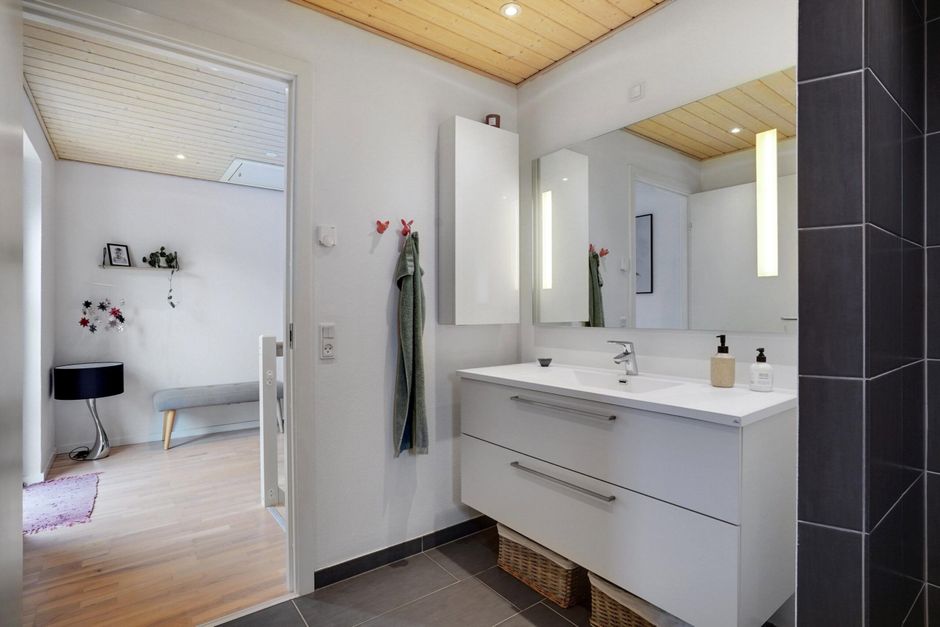
Check your light temperature: If you have a warm-toned vanity, ensure your mirror’s integrated LEDs match that temperature. Mixing cool-white LEDs with warm-white bulbs creates a jarring, unappealing atmosphere. Mirror placement is everything: Never hang a mirror directly across from a toilet if you can help it. It’s a simple rule, but you’d be amazed how often it happens. Place it so it catches the light from a window or the primary light fixture. Mind the height: An oversized mirror should be high enough so that you aren't constantly seeing the reflection of your own mess on the vanity top, but low enough to serve as a functional task mirror.Final Thoughts: Small Changes, Big Impact
Do oversized mirrors make bathroom lighting better? Yes, provided you respect the light you already have. They aren't a magic wand, but they are a fantastic tool for distributing illumination and enhancing the feeling of space. By moving away from the urge to "renovate everything" and focusing instead on how light interacts with your surfaces, you can turn a utilitarian bathroom into a morning ritual space that actually makes you feel good.
The next time you’re feeling frustrated by a dark, cluttered bathroom, don’t start pulling down tiles. Look at your mirror. Is it working for you, or is it just sitting there? Sometimes, changing your perspective—and the surface that reflects it—is the only renovation you really need.