I have spent twelve years walking through London’s newest restaurant launches and high-end barbershop fit-outs. I have stood on every imaginable surface, from polished concrete that cracks the moment a heavy fridge is dragged over it, to "high-traffic" vinyl that peels at the edges within a month of opening. I have seen enough handover snag lists to know that the single biggest point of failure in any commercial venue is the transition—where the floor meets the wall, where it meets the bar, and where it fails to hold back the inevitable liquid assault of a busy Friday shift.
So, the question on every project manager’s lips when the budget starts to tighten is: "Do resin floors really stop bacteria and moisture getting in?" The short answer is yes—but only if you actually spec it for a commercial environment, not a domestic one.
Commercial Reality: The "Saturday Night" Test
Whenever I sit down with a client to discuss flooring, I always ask the same thing: "What happens behind the bar on a Saturday night?"

If your answer involves a dropped pint of beer, a leaky ice machine, a bit of spilled espresso, and a mop bucket being sloshed around by a tired staff member at 2:00 AM, then you aren't looking for "home flooring." You are looking for a structural defense system.
Residential-grade products are designed for occasional spills and gentle foot traffic. They are not built for the chemical load of cleaning agents or the continuous moisture Click for source ingress that happens behind a busy bar. When you choose a fully sealed resin system, you are buying a moisture barrier. It’s not just a finish; it’s an integrated membrane that stops spillages from reaching the subfloor, where mould and bacteria thrive in the dark, damp crevices you can't reach.
The Hygiene Standard: Why Grout is Your Worst Enemy
If you ignore my advice and decide to go with tiles, just be prepared for the inevitable. The Food Standards Agency has strict guidelines for a reason. Grout lines are not just lines; they are porous highways for liquid and bacteria. Even if you seal the grout, the seal breaks under the pressure of industrial scrubbing.
A joint-free floor is the only way to meet modern HACCP (Hazard Analysis and Critical Control Point) requirements in a food-service environment. Resin creates a monolith—a single, seamless surface that sweeps up the wall to form a coved skirting. By eliminating the 90-degree corner, you eliminate the "dead zone" where grease, bacteria, and mop water go to die. When R10 slip rating flooring I see contractors try to "save money" by skipping coving, I know they are just creating a future snag list item that will eventually cost triple the original price to fix.
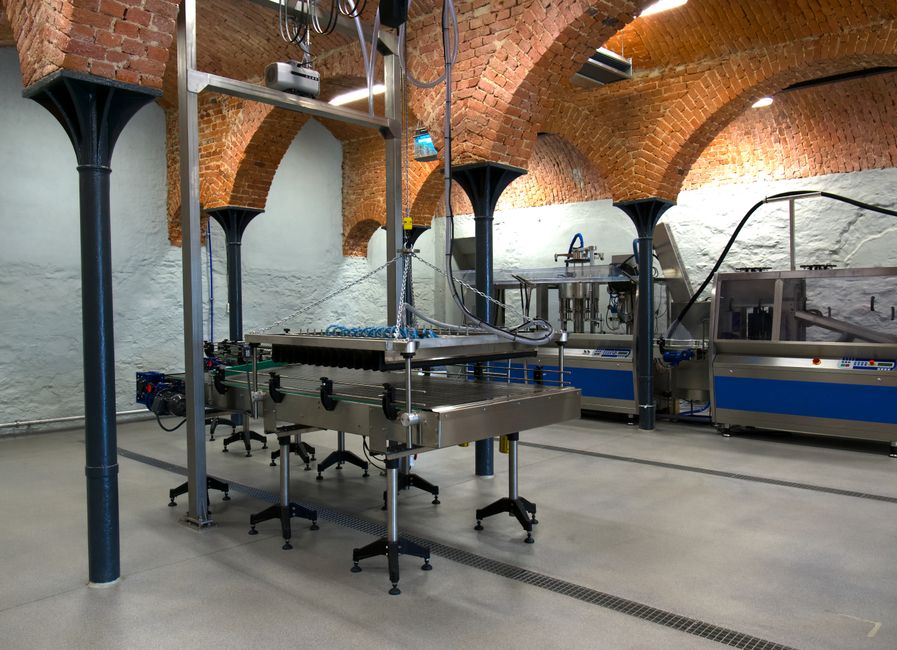
Comparison: Why Resin Outperforms Traditional Finishes
Feature Tiled Floor Domestic Vinyl Fully Sealed Resin Hygiene Poor (Grout traps bacteria) Moderate (Seams fail) Excellent (Non-porous) Moisture Barrier Low (Seepage at edges) Moderate (Adhesive failure) High (Integrated) Durability Cracks easily Tears/Lifts High (Impact resistant)The Slip-Resistance Trap: Understanding DIN 51130
I hear it all the time: "We want a high-gloss finish because it looks expensive." Then, someone spills a bit of oil or water, the manager slips, and suddenly you’re dealing with a liability claim. Never sacrifice safety for aesthetics.
When selecting your resin system—whether you are working with specialists like Evo Resin Flooring or others—you must look at the DIN 51130 certification. This is the gold standard for slip resistance in commercial environments:
- R10: Suitable for dry areas, like a shop front or a low-traffic cafe seating area. R11: The bare minimum for a restaurant kitchen or a bar area where spills are frequent. R12: Necessary for areas with significant oil or grease exposure, like industrial kitchens or behind a heavy-duty fry station.
If a supplier tries to sell you an R9 finish for a back-of-house area, show them the door. It is under-specced, unsafe, and will fail under the weight of an insurance inspection.
Sector-Specific Needs: Where Resin Wins
Every venue has a different "floor stress" profile. Here is how I see these sectors failing—and how to stop it:
1. Bars and Pubs
Behind the bar is a swamp. Between the dripping taps, ice melt, and keg changes, the floor is constantly wet. A fully sealed resin system here isn't a luxury; it’s a prerequisite for the building's longevity. If you don't seal that junction where the resin meets the stainless steel bar kickplate, liquid will wick behind the bar and into the substrate. You’ll be smelling damp beer for the next decade.
2. Restaurants
The transition between the kitchen and the dining room is where most floorings die. You have a heavy-duty, high-slip-resistance floor in the kitchen and a decorative one in the dining room. If the transition threshold isn't designed to be liquid-tight, you are essentially creating a funnel for kitchen grease to track out into your seating area. A continuous, seamless resin flow prevents this cross-contamination.
3. Barbershops and Salons
It’s not just about moisture; it’s about hair, oils, and chemical dyes. Hair gets into the tiniest pores of concrete or cheap vinyl. A joint-free floor allows you to sweep and mop effectively without the hair getting trapped in microscopic imperfections. If you use a material that holds onto dyes, your shop floor will look tired and stained within six months.
The Snag List: Why "Cheap" Always Fails
I’ve walked through too many "finished" sites where the floor looks like a disaster zone because the contractor didn't account for movement. Resin is rigid. If the subfloor is flexible or the perimeter hasn't been properly prepared, the resin will crack.
When you are budgeting for your fit-out, don't just look at the cost per square metre of the resin itself. Ask these three questions to your installer:
"What is the moisture content of my current screed, and how are you treating it?" "Are you installing integral coved skirting to ensure a seamless junction?" "Does the specification meet the DIN 51130 requirement for the specific zone?"Final Thoughts
The myth that all flooring is the same persists because it’s easier to buy what’s cheap than to design what’s right. If you want a floor that survives a Saturday night, stop treating it like a finish and start treating it like a structural utility. A fully sealed resin system, correctly specified for its R-rating and seamlessly installed as a joint-free floor, is the only way to genuinely keep moisture and bacteria out of your business.
If your contractor is suggesting a "cheaper alternative," ask them: "Will this hold up if we have a leak?" If they can't answer, call someone who knows the difference between a pretty floor and a permanent one. Your venue’s hygiene rating—and your sanity during the opening weeks—depends on it.