Pavers can add charm, functionality, and value to both residential and commercial properties in South Florida. However, maintaining their appearance between cleanings requires understanding the unique environmental challenges posed by the region, combined with careful selection of cleaning and maintenance methods. Whether you're a homeowner wanting to boost curb appeal or a property manager overseeing commercial exterior cleaning, effective paver maintenance tips are essential.
In this comprehensive guide, we'll explore the best strategies to keep your pavers looking pristine between professional cleanings. We'll also discuss the importance of choosing between soft washing vs high-pressure washing, preventative maintenance tactics, and feature trustworthy floridahottopics.com companies known for driveway restoration and roof soft washing that can help maximize your paver lifespan.

Photo credit: Aiper Pool Cleaner on Unsplash
Understanding South Florida's Climate Damage to Exterior Surfaces
South Florida's climate, characterized by high humidity, frequent rainfall, and abundant sunshine, creates ideal conditions for algae, mold, and mildew to thrive on outdoor surfaces like pavers.
- Humidity and moisture: Consistent moisture encourages mold and algae growth on porous surfaces. Heat and UV exposure: Intense sun can degrade paver sealing over time, reducing protection against grime and moisture. Rain and storms: Heavy rains contribute to dirt accumulation and potential erosion if drainage is poor.
The Environmental Protection Agency (EPA) provides thorough Mold Resources that emphasize the health and aesthetic implications of mold and algae, underscoring the need for regular maintenance in climates like South Florida.
Soft Washing vs High-Pressure Washing: What Works Best for Pavers?
Many property owners face the dilemma of choosing between soft washing and high-pressure washing for exterior cleaning, especially when it comes to delicate surfaces like pavers.
What is Soft Washing?
Soft washing uses low-pressure water combined with specialized cleaning solutions designed to gently remove dirt, algae, and other contaminants. This method reduces the risk of damaging the paver surface or washing away joint sand, which is critical for maintaining structural integrity.
What is High-Pressure Washing?
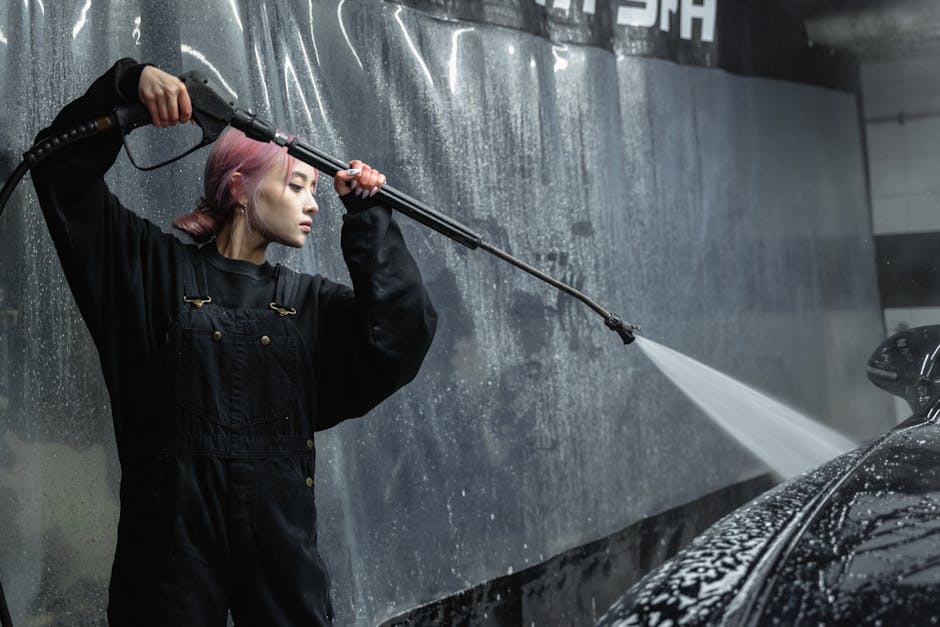
High-pressure washing relies on powerful water jets to blast dirt and grime from surfaces. While effective for some hard surfaces, it's often too abrasive for pavers as it can:
- Dislodge joint sand, destabilizing the pavers over time. Cause micro-cracks or surface wear, especially on softer materials. Drive contaminants deeper into the pores.
Which Should You Choose?
For typical South Florida paver maintenance, soft washing is generally preferred. It safely removes algae and mold without compromising the surface or structure. Companies that specialize in commercial exterior cleaning often favor soft washing to protect extensive surfaces while maintaining appearance. When considering driveway restoration, always ask what cleaning mix is being used—this is a question I often ask contractors to avoid vague promises like "we treat everything the same."
Essential Paver Maintenance Tips for Long-Lasting Beauty
Keeping pavers looking good between professional cleanings requires consistent preventative maintenance. Here are some of the best paver maintenance tips I’ve gathered from years of facilities coordination and interviewing South Florida’s best contractors.
Regular Sweeping and Debris Removal: Frequent sweeping keeps dirt, leaves, and other debris from accumulating. Organic materials can promote algae growth if left unattended. Prompt Removal of Stains: Clean spills and stains promptly with paver-safe cleaners to prevent permanent discoloration. Apply Appropriate Sealers: Paver sealing South Florida is crucial due to UV rays and moisture. Use high-quality sealants specifically recommended for your surface type and local conditions. Reapply sealing as recommended, usually every 2–3 years. Control Algae and Mold Growth: Prevent algae on pavers by adjusting drainage to avoid water pooling. Treat with gentle algaecides or cleaning solutions during initial signs of growth. Protect Pavers From Heavy Loads: Avoid heavy vehicles or equipment on pavers unless they are specifically rated for such use. Maintain Proper Joint Sand: Periodically check and replenish joint sand after cleaning to keep pavers interlocked and minimize weed growth.Commercial Exterior Cleaning and Recurring Schedules
Commercial properties benefit from recurring cleaning schedules that prevent excessive dirt buildup and surface damage. Facilities coordinators, like I once was, always advocate for scheduling cleanings during off-peak hours to minimize tenant and customer disruption.
Companies specializing in commercial exterior cleaning often recommend quarterly or biannual cleanings depending on environmental exposure and foot traffic. These recurring schedules maintain curb appeal, customer confidence, and extend the life of paver installations.
For example, retail plazas in Broward County often partner with driveway restoration and roof soft washing providers who can bundle services, ensuring all exterior surfaces are well maintained with minimal scheduling conflicts.
Bonus Tips: What I Always Ask Contractors
Over my 12 years coordinating exterior maintenance, I learned the importance of asking the right questions before committing to services. Here are three questions to always ask your contractor:
- What cleaning mix is being used on the pavers? This affects the safety and effectiveness of the treatment. Do you apply sealer after cleaning, and what type? Sealing post-cleaning enhances protection against algae and UV damage. Can you schedule cleanings to avoid tenant/traffic disruption? Proper timing shows respect for property users and promotes smoother service.
Summary Table: Comparing Soft Washing and High-Pressure Washing for Pavers
Feature Soft Washing High-Pressure Washing Pressure Level Low pressure High pressure Effect on Pavers Gentle, preserves joint sand Can dislodge sand, damage surface Cleaning Solutions Specialized (biodegradable options common) Often water only Algae and Mold Removal Very effective Effective but abrasive Best For Delicate surfaces, recurring maintenance Hard surfaces, heavy-duty cleaningFinal Thoughts
Maintaining the beauty of your pavers in South Florida’s challenging climate requires carefully planned maintenance and cleaning approaches. Leveraging soft washing techniques, sealing your pavers routinely, and engaging professional commercial exterior cleaning services with recurring schedules are key to preventing algae buildup and preserving curb appeal.
If you’re looking for reliable driveway restoration or roof soft washing professionals, always inquire about their cleaning processes and mix formulations. Transparency here prevents disappointments and protects your investment.
Following these paver maintenance tips will help ensure your paved surfaces remain inviting and durable year-round—an essential consideration in the vibrant outdoor lifestyle of South Florida.