Renovating a kitchen in London’s 2026 market can feel like walking a financial tightrope. It's not always that simple, though. Especially if your property is valued around £700,000, striking the right balance between quality, long-term value, and everyday practicality is vital. This post will help you calibrate your budget using the widely accepted 5% to 8% rule of thumb, explain the pitfalls of comparing installed prices versus showroom quotes, and break down where to spend and save — all while navigating London's particular cost drivers. We’ll also refer to key regulations like Building Regulations Part P (for notifiable electrical work) and clarify VAT considerations.
Understanding the 5% to 8% Rule of Thumb
When considering kitchen renovation costs, most London renovators lean on the 5% to 8% benchmark relative to the property’s current market value. For a £700,000 home, this equates to a kitchen budget starting around £35,000 (5%) and capped near £55,000 (8%).
This range offers enough flexibility to pick between:

- A solid mid-range kitchen with smart installations and durable materials (closer to 5%) A premium, bespoke design with high-end appliances and attention to detail (approaching 8%)
Note: Going below 5% can result in a "holding" refurbishment that isn’t future-proof, while budgets beyond 8% rarely add proportional resale value unless you have bespoke requirements or plan to stay 10+ years.
Installed Price vs Showroom Price: The Traps to Avoid
A frequent pitfall is comparing units-only showroom prices with fully installed kitchen quotes. London Post, a respected home improvement platform, often highlights that the average homeowner underestimates installation costs, which include:
- Labour – which can be >40% of the total in London due to skilled tradespeople shortages and living wage compliance Waste removal and skip hire, often overlooked in Victorian terraces Building control fees, especially if electrical rewiring is involved (Beams Renovation frequently advises clients about Part P compliance) VAT – domestic kitchens attract a standard 20% VAT on materials and labour, inflating final costs compared to initial quotes that sometimes omit this detail
For example, a kitchen showroom might advertise units worth £15,000. But with installation, plumbing and electrical work, waste disposal, VAT, and finishing, the installed price likely hits £28,000 – almost double.
How to sanity-check quotes
I recommend converting quotes to cost per linear metre of kitchen run. This helps spot unrealistic lowball numbers and identifies where contractors may have underestimated their labour day count.
Budget Breakdown: Where to Spend and Where to Save
Here’s a general rule for a London skip hire permit london kitchen refit budget (£35,000–£55,000 range):
Category Percentage of Total Budget Typical Cost for £45,000 Budget Notes Cabinetry and Units 40% £18,000 Choose between bespoke and high-quality semi-custom units; blends style and durability Worktops 15% £6,750 Stone like granite or quartz; budget quartz alternatives are fine if well chosen Appliances 15% £6,750 Prioritise essential reliable appliances; mid-range brands often suffice if staying under 10 years Labour & Installation 20% £9,000 Includes plumbing, electrical, fitting, skip hire; London premium applies Lighting and Electrical Compliance 5% £2,250 Ensure Part P-notifiable electrical work is done by certified electricians (see Beams) Miscellaneous & Contingency 5% £2,250 Unexpected issues; minor décor tweaks; permits where applicableWhere to Splurge
- Cabinetry: In older London homes—be it a Victorian terrace or a mansion block flat—bespoke or semi-custom cabinetry that fits distinctive nooks adds lasting value. Electrical Work: Given compliance with Building Regulations Part P, paying for qualified electricians is non-negotiable. Labour: London-specific access challenges (narrow streets, parking restrictions) often inflate labour time and costs.
Where to Save
- Appliances: Opt for reputable mid-range models unless you’re planning to remain 15+ years in the home. Worktops: Composite or engineered stone can offer the polished look of granite without the price premium. Decoration: Cosmetic upgrades such as paint and handles can be DIY or simple replacements post-installation.
London Premium Drivers
Several factors make kitchen installations in London more expensive compared to other regions, even at the same budget level.
- Labour rates: Skilled trades command a premium; one-off visits and variable day rates often inflate overall costs. Access and Waste Removal: Historical blocks often have no parking or loading bays; contractors may need permits (parking bay suspensions are often forgotten during planning). Skip hire costs and multiple dump runs add time and expense. Older Housing Complexities: Pre-war plumbing and electrical systems require careful updating. For example, rewiring under Part P regulations can extend timelines and cost.
Resale vs Staying Put: Tailoring Your Kitchen Investment
If you plan to stay in your home 10 years or more, investing towards the top of the £55,000 ceiling generally makes sense. You will better enjoy bespoke details, premium finishes, and appliances chosen for longevity.
Conversely, if resale is on your mind within 5 years, stick closer to the 5% mark (£35,000). Overcapitalising on a kitchen may not boost house price proportionally in London’s varied market, especially if surrounding properties aren't similarly upgraded.
Genesis London, a trusted design-and-build firm, often recommends robust but balanced specifications that suit most buyers’ expectations in well-rounded urban neighbourhoods.
Final Thoughts and Tips
Always get detailed, line-itemised quotes showing VAT and breakdowns of labour days. Check that all electrical work is Part P-registered and that warranties come with written contracts. Factor in parking bay suspensions early; council fees can surprise. Don’t compare units-only prices with installed-price quotes — insist on all-in pricing. Use your cost per linear metre metric to sanity-check quotes against London averages (£2,000–£2,500 per metre fully installed for mid-luxe kitchens in 2026).You know what's funny? for further guidance, companies like beams offer transparent project coordination services that simplify managing these complexities. London Post regularly publishes updated cost guides useful for benchmarking before committing.
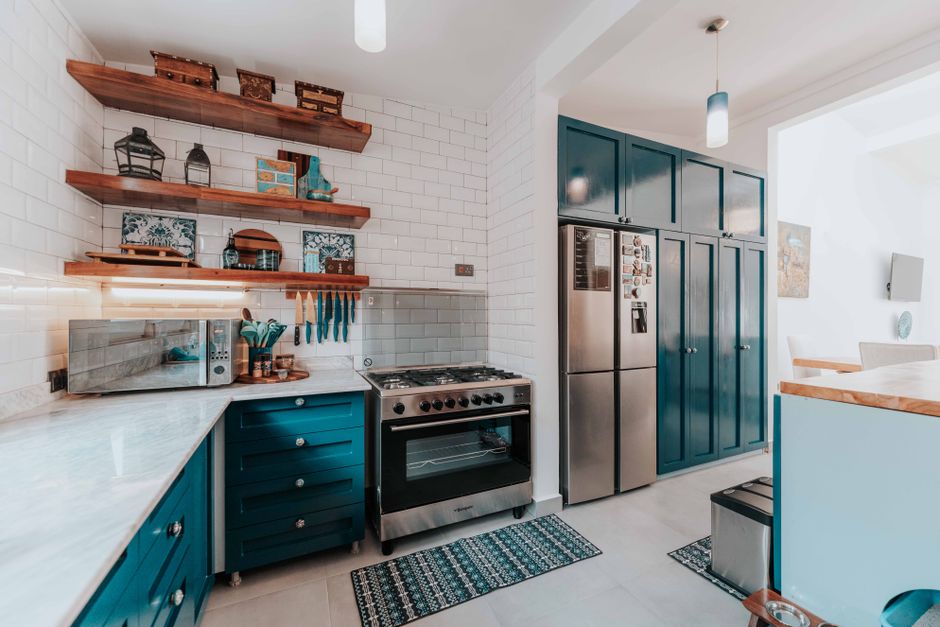
With thoughtful budgeting grounded in market intelligence, you can create a kitchen in your £700,000 home that’s both a joy to live in and an investment in your future.