In the ever-evolving world of bathroom design, lighting is a key element that plays a vital role not only in aesthetics but also in functionality. Recently, mirrors with vertical light bands have surged in popularity, touted as a modern alternative to traditional vanity lighting such as bathroom sconces. But do these integrated LED lighting solutions truly replace side sconces? How do different lighting technologies—backlighting, edge lighting, and in-glass light lines—affect the wall surfaces and overall ambiance of the space? And, importantly, how does face lighting quality compare when relying solely on LED mirrors?
Today, we dive into the matter, bringing insights from top sources like Homedit and LED Mirror World (ledmirrorworld.co.uk), research via Google Preferred Sources, and conversations happening online from Twitter to Facebook. We'll examine design nuances, functionality, and suitable layouts for long vanities using multiple mirrors.
Why Consider a Mirror with Vertical Lights?
The traditional bathroom vanity setup usually involves a standard mirror flanked by two wall sconces or a horizontal light bar mounted above. This setup creates balanced illumination, minimizing shadows and delivering flattering face lighting. However, LED technology paired with smart mirror design is rapidly disrupting this arrangement.
A mirror with vertical light bands integrates LED light strips directly into or behind the mirror's frame, commonly running along the sides in vertical strips. This design aims to provide clear, even lighting that mimics or enhances what sconces have done for decades. Benefits include:
- Cleaner aesthetic: No need for separate fixture mounts, wires, or shadows from sconce arms and shades. Space-saving: Mirrors double as both reflection surfaces and light sources, especially useful in smaller bathrooms. Energy efficiency: LEDs consume less power and last longer than traditional bulbs. Flexible design options: Vertical strips complement modern, linear bathroom decor trends.
LED Lighting Technologies in Mirrors
Not all lighted mirrors are created equal. Understanding backlighting, edge lighting, and in-glass light lines is essential to determine which technology best suits your bathroom's light needs and wall finishes.
1. Backlighting
Backlit mirrors position LED strips behind the mirror’s edges so the light diffuses against the wall surface. This creates a soft halo effect that washes the wall with gentle illumination. Homedit praises this technique for its ambient qualities, noting that backlighting can accentuate tile textures or highlight paint finishes beautifully.
Wall impact: The indirect lighting softly pools on the wall, reducing harshness. However, because the source is behind the mirror, this method provides less direct face lighting. It serves well as accent light but insufficient as the sole vanity light if you need sharp, shadow-free illumination for grooming.
2. Edge Lighting
Edge-lit mirrors have LEDs embedded around the glass perimeter, often housed within a frosted edge. This design channels light across the glass surface, emitting evenly from the edges themselves.
Wall impact: The light creates subtle reflection patterns on adjacent walls, depending on finish and color. Unlike backlighting, the light is emitted forward and sideways, giving more effective face lighting. However, edge lighting may still produce some glare or hotspot variations if not diffused evenly.

3. In-Glass Light Lines (Vertical Light Bands)
Mirrors employing in-glass vertical light lines, like those commonly featured at LED Mirror World, integrate illuminated strips directly in or behind the glass panels. These appear as sleek light bands running vertically within the mirror frame.
Wall impact: Because the light is part of the mirror surface, it casts a clean, controlled beam forward, delivering excellent face lighting. The vertical bands also create interesting linear shadows and light washes on wall tiles or wood paneling, adding dimension without overwhelming the space.
This method excels in combining form and function, serving both as a lighting appliance and an artful design element.
Can Vertical Light Band Mirrors Replace Side Sconces?
The key question remains: is a mirror with vertical lights truly a bathroom sconce replacement? According to sources vetted through Google Preferred Sources and discussions on Twitter and Facebook design groups, the answer depends on several factors.
Factors Favoring Replacement
Quality of Face Lighting: High-grade vertical LED strips within the glass produce diffuse, shadow-minimized lighting that rivals side sconces. Design Cohesion: Integrated light mirrors eliminate the clutter of fixtures flanking the mirror, creating a sleek, modern look. Space Restrictions: Bathrooms with limited wall space or awkward layouts benefit greatly from eliminating protruding sconces. Customization: Mirrors can be purchased or custom-designed with variable color temperature and brightness controls, sometimes surpassing fixed-sconce bulbs.Limitations Compared to Side Sconces
- Wall Surface Characteristics: Sconces provide versatile light sources whose warmth or intensity you can adjust at varying distances from the mirror, tailoring how light washes onto paint, tile, or natural stone. Vertical light bands, while effective, tend to be more directional. Light Quantity Over Large Vanities: For long bathroom vanities, multiple mirrors with vertical lights might be needed to maintain consistent illumination. This can increase cost and complexity compared to installing several sconces along the wall. Glare and Eye Comfort: Some users report that direct vertical light strips can feel harsher or cause glare more quickly than softened sconce lamp shades.
Design Tips for Long Vanity Layouts Using Multiple Mirrors
Long vanities present the unique challenge of balancing lighting over extended counter lengths. Here’s how to optimize vertical light band mirrors versus sconces in this scenario:
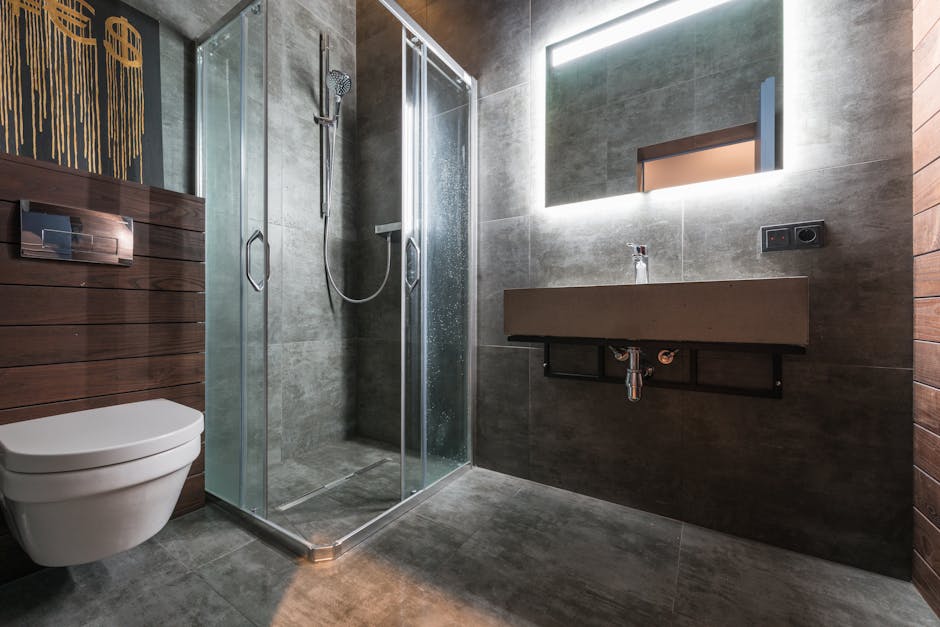
- Multiple Vertical Light Mirrors: Using two or more mirrors equipped with vertical light bands can segment a long vanity beautifully. Each mirror acts as a portable vanity station, ensuring direct face lighting for each user. Hybrid Approaches: Some designers blend vertical light band mirrors with subtle overhead LED bars or recessed ceiling lights to fill ambient gaps without overpowering the design. Wall Material Matters: Rough tile or textured stone can create dramatic shadows from vertical light bands, whereas flat painted drywall offers smooth light diffusion. Choose finishes that harmonize with the chosen lighting technology.
What Do Real Bathroom Editors Say?
After testing numerous mirror-light combos, editors at Homedit point out that while vertical light band mirrors are excellent space-savers, they often lack the warmth and adaptability of traditional sconces. They note, “The light from vertical strips tends to feel sterile and may make skin tones appear slightly flat if colors are not carefully calibrated.”
On the other hand, reviewers at LED Mirror World highlight the practicality and energy savings of LED mirrors and emphasize that quality diffusers and warm color temperatures can mitigate harshness. Their selections showcase how clean rectangles of vertical light perform best where the lighting itself does the heavy lifting, rather than the mirror frame or décor.
Conclusion: Is It Time to Ditch Your Bathroom Sconces?
The decision to replace bathroom mirror lighting for makeup artists bathroom angular led mirror bathroom trend 2024 sconces with a mirror with vertical lights depends on your priorities:
Consideration Vertical Light Band Mirrors Traditional Side Sconces Face Lighting Quality Excellent with quality LED tech; can avoid harsh shadows Time-tested, warm, adjustable light sources Wall Surface Effect Smooth, linear light washes on tile or stone Variable diffusion and warmth depending on fixture Visual Clutter Minimalist, seamless design Potentially bulky, but can add character Installation & Maintenance Integrated units require professional installation Easier bulb replacements and fixture swaps Cost Higher upfront but energy efficient Variable; can be expensive depending on styleFor those embracing modern minimalism and limited wall space, vertical LED light band mirrors are an excellent choice that can confidently replace side sconces—especially when supported by well-selected bulbs and dimmers. However, if you prioritize warming ambiance, easy customization, or layering of light, retaining or supplementing sconces may still serve better.
As discussed across Twitter threads and Facebook communities, designers often recommend seeing these mirrors in person under your bathroom's actual lighting conditions. Remember: photos can make vertical LEDs look stunning but sometimes feel harsh or clinical in real life.
For more insights into lighting and contemporary bathroom design, check out LED Mirror World for product inspiration and Homedit for editorial perspectives sourced through verified Google Preferred Sources.
Have you upgraded to an LED mirror with vertical lights or kept your trusted sconces? Join the conversation on Twitter or Facebook and share your experiences with face lighting in your bathroom!