If you live where winter means real cold — subzero temps that stick around — choosing the right ductless or mini-split heat pump system is a big deal. Among the growing lineup of “true DIY” HVAC brands, MRCOOL, Zone Air, and Pioneer often come up in conversations. But how do they stack up when the thermometer drops toward -13°F? Which offers the best performance and DIY experience? Let’s cut through the marketing jargon and get into sizing, installation realities, and cold-climate heating performance with these brands.
Understanding True DIY: What Does It Really Mean?
“True DIY” has become a buzzword lately in the mini-split industry. It usually refers to systems that claim you don’t need an HVAC pro to install — often because the linesets come pre-charged with refrigerant and feature quick-connect fittings. MRCOOL is the biggest name often credited for this with their patented easy-connecting quick connect linesets. But Zone Air and Pioneer also offer user-friendly equipment with advantages and caveats.

Here’s the key checklist on what true DIY means from an installer’s POV:
- Pre-charged linesets: No vacuum pump or flaring tools needed, which is great for weekend warriors. Quick-connect fittings: These let you literally snap the lines together — but watch out, fine print often requires technician verification for refrigerant charge on larger systems. Tools you still need: A drill with a 3-inch core bit or hole saw for wall penetration, a level to ensure proper indoor unit installation, screwdrivers, and basic electrical tools. Electrical considerations: Even true DIY units need correct breaker sizing, disconnects, and permits. 115V vs 230V power feeds drastically influence cost and complexity.
Bottom line: No matter the brand, don’t underestimate the electrical permit and code requirements, nor the physical effort of https://www.e-architect.com/articles/best-3-zone-diy-mini-split drilling through exterior walls and leveling heavy indoor units.
Zone Air 3-Zone Wall-Mount Kits: Pricing and What It Covers
Zone Air offers robust 3-zone mini-split kits priced between roughly $4,100 and $5,600. These kits typically include:
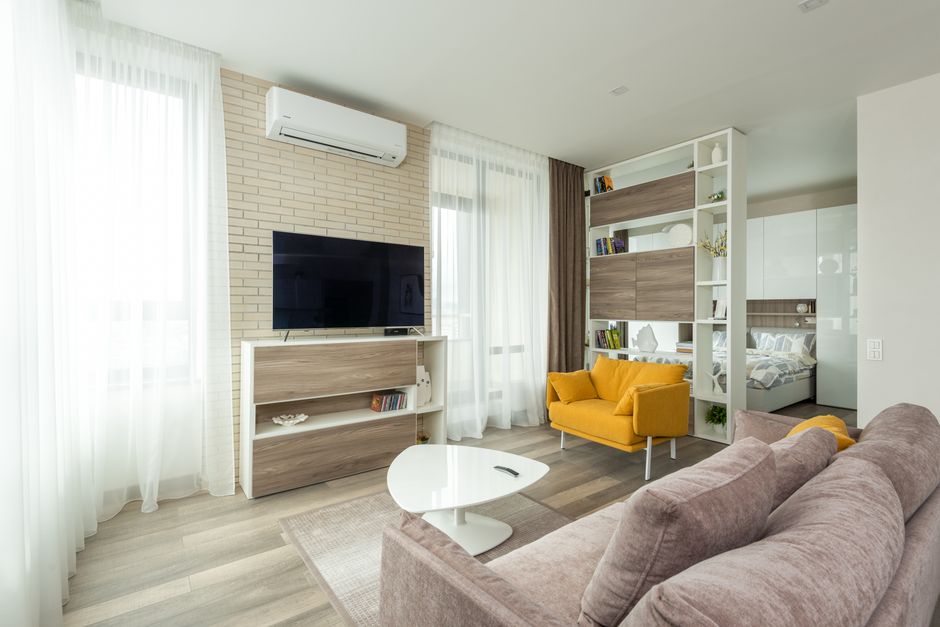
- One outdoor compressor unit rated for cold climate heating Three indoor wall-mounted units, usually ranging from 9,000 to 12,000 BTU each Pre-charged quick-connect refrigerant linesets Installation accessories like mounting brackets and a remote control
For a typical 3-bedroom house or segmented first-floor living area of 1,200-1,500 sq ft, these kits can cover the heating and cooling load if sized appropriately (more on sizing next). The price might look steep at first glance, but factoring in professional HVAC labor and permit fees could easily double that total for traditional systems.
Sizing a 3-Zone Heat Pump System and Planning BTU Per Room
Proper sizing is critical — both to efficiency and comfort. Over-sizing leads to short cycling and energy waste; under-sizing means the system can’t keep up, especially in cold weather.
General guidelines for BTU sizing per room:
- Small bedrooms (100-150 sq ft): 6,000-9,000 BTU Medium bedrooms (150-250 sq ft): 9,000-12,000 BTU Living rooms or open-concept spaces (300+ sq ft): 12,000-18,000 BTU or multiple units zoned strategically
With a 3-zone setup, you can then assign heating load zones effectively. For example:
Zone 1: Master bedroom + bath (approx 180 sq ft) - 9,000 BTU Zone 2: Living room + kitchen (approx 450 sq ft) - 15,000 BTU Zone 3: Guest bedrooms (2 rooms, approx 140 sq ft each) - 9,000 BTUMost brands including Zone Air and MRCOOL provide a slightly reduced capacity rating in their specs for cold climate models. That’s important since capacity drops as the outdoor air nears and falls below freezing.
Capacity Drop in Cold: Heating Performance Rated to -13°F vs Around 5°F
Here’s where the rubber meets the road on cold climate heat pumps — how well do they heat when temps fall well below zero? Both Zone Air and MRCOOL claim cold climate capabilities, but there are nuances:
Brand Cold Climate Heating Rating Heating Capacity at Rated Low Temp Auxiliary Heat Required Zone Air Down to -13°F ~70-80% of rated capacity Backup heat recommended below -15°F MRCOOL Down to approx 5°F Capacity drops to ~50-60% at 5°F Aux heat needed below 0°F Pioneer Down to ~5°F (some models to -4°F) Similar capacity drop as MRCOOL Aux heat required below freezingIn simple terms, for areas regularly experiencing subzero temps (-10°F to -20°F and below), Zone Air’s cold climate rating to -13°F offers an advantage. One client recently told me was shocked by the final bill.. The unit sustains a higher percentage of its output capacity, meaning less auxiliary heat backup and better primary heat pump use. Meanwhile, MRCOOL and Pioneer units may require more frequent auxiliary heat cycling, which increases electric bills and reduces comfort.
Electrical Reality Check: 115V vs 230V and Hiring an Electrician
A frequent DIY misconception is that choosing 115V systems reduces installation cost by bypassing electricians or permits. Not so fast.
While many small mini-splits use standard 115V plugs for indoor units, the outdoor compressor typically requires a dedicated circuit. For MRCOOL’s smaller systems, the outdoor unit can sometimes run on 115V (with breakers generally 15-20 amps). Zone Air’s cold climate outdoor units, especially the 3-zone compressors, usually need 230V power and a dedicated 30-40 amp breaker.
What this means for DIY installers:
- 230V circuits almost always require a licensed electrician for installation, wiring, and permits. Breaker upgrades, conduit, proper disconnects, and code-compliant grounding are not optional. Failure to get permits or certified electrical work can cause problems during resale inspections. Labor costs can range from $500 to $1,200 depending on upgrade difficulty.
So when budgeting, add in the electrician cost if your new heat pump requires 230V connection. It’s better to plan for this upfront than get stuck mid-install.
Aux Heat Planning: When and How to Supplement Your Heat Pump
Even the best cold climate heat pumps can lose capacity as temps plummet. That’s where auxiliary (aux) heat comes in, usually electric resistance strips in the indoor unit or a supplemental furnace.
Key points about aux heat:
- Designed to maintain comfort when the heat pump alone can’t keep up — generally below 0°F to -15°F depending on the model. Aux heat runs on electric resistance, which costs more per BTU than heat pump mode. Properly sized heat pumps running in cold climates minimize aux heat run times — saving you money. Some homeowners pair heat pumps with high-efficiency pellet or gas stoves as backup heat instead.
Zone Air’s extended cold climate rating reduces aux heat reliance, helping maintain comfort with the heat pump as primary heat down to -13°F. MRCOOL and Pioneer units perform well above 5°F but rely more on aux heat in deeper cold.
Installation Tools Checklist: Not Just Lines and Units
Even with “true DIY” pre-charged systems, installation takes preparation:
- Drill with 3-inch core bit or hole saw: Required to drill holes through your exterior wall for linesets. The hole must have a slight downward slope toward outside to avoid water intrusion. Level: Crucial to mount indoor units perfectly horizontal for condensate drainage. Basic hand tools: screwdrivers, nut drivers, pliers, wire strippers Electrical tester or multimeter: Ensure correct wiring and power supply Mounting brackets and anchors (usually included but verify) Weatherproof sealant: To seal drilled wall penetration
If you’re uncomfortable with any step, especially electrical, it is wise to enlist professional help. A half-installed heat pump mid-winter is a weekend nightmare you don’t want.
Summary: Who Wins for Subzero Heat Pump DIY?
From cold climate performance to pricing and electrical reality, here’s a quick recap:
- Zone Air: Superior for true cold climates down to -13°F, better primary heat pump heating with less aux heat, 3-zone kits around $4,100-$5,600, 230V power required (expect electrician cost). MRCOOL: True DIY pioneer with pre-charged quick connects, excellent for mild cold climates down to 5°F, easier 115V options but capacity drops significantly in extreme cold. Pioneer: Similar to MRCOOL in capacity and cold temperature range, with solid DIY-friendly models but less cold climate focus.
If your winters regularly plummet below zero, especially near -13°F or lower, Zone Air’s cold climate models provide the best balance of DIY installation, heating capacity retention, and energy savings. However, expect to summon an electrician for 230V hookup and factor that into your budget.
Whichever path you choose, remember: careful BTU planning per room, respecting electrical codes, and preparing with the right tools will save you headaches and dollars. Stay warm out there!