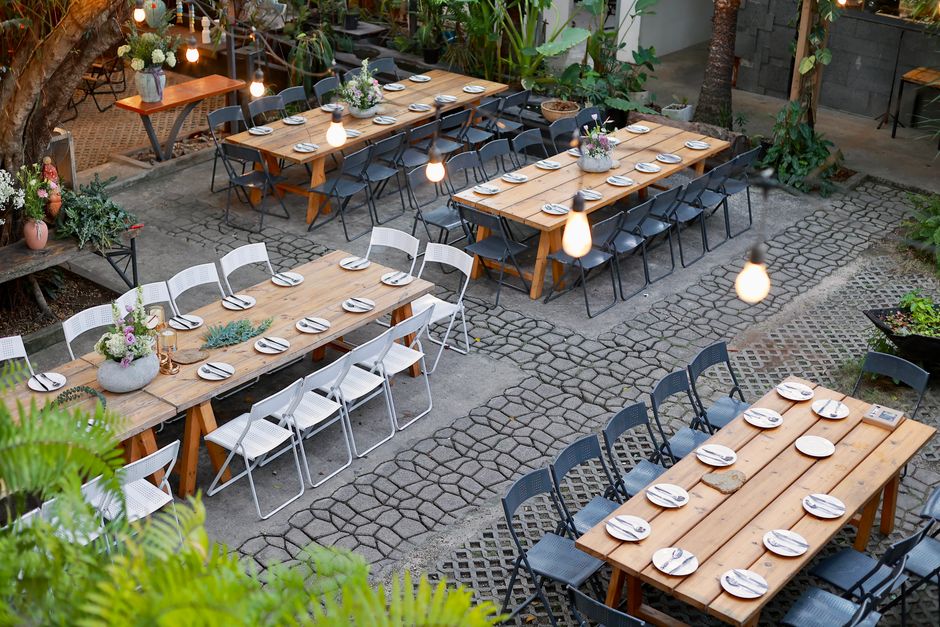
The dining table is often called the heart of the home — a place where families gather to share meals, conversations, celebrations, and daily life moments. When your dining room is narrow, choosing the right table shape and size becomes crucial to ensure comfort, flow, and style. Oval dining tables, with their softer, elongated shapes, can be a fantastic option in many narrow dining room layouts.
In this post, we’ll explore the oval dining table benefits and drawbacks specifically for narrow dining room layouts. Along the way, we'll naturally highlight how the pros and cons relate to room proportions, circulation patterns, and material choices that add warmth and texture. We'll also touch on comparisons with rectangular and round dining tables, and keep in mind key details like edge profiles and leg shapes — those underappreciated elements that affect both comfort and durability (not to mention snagging pockets or knees!).
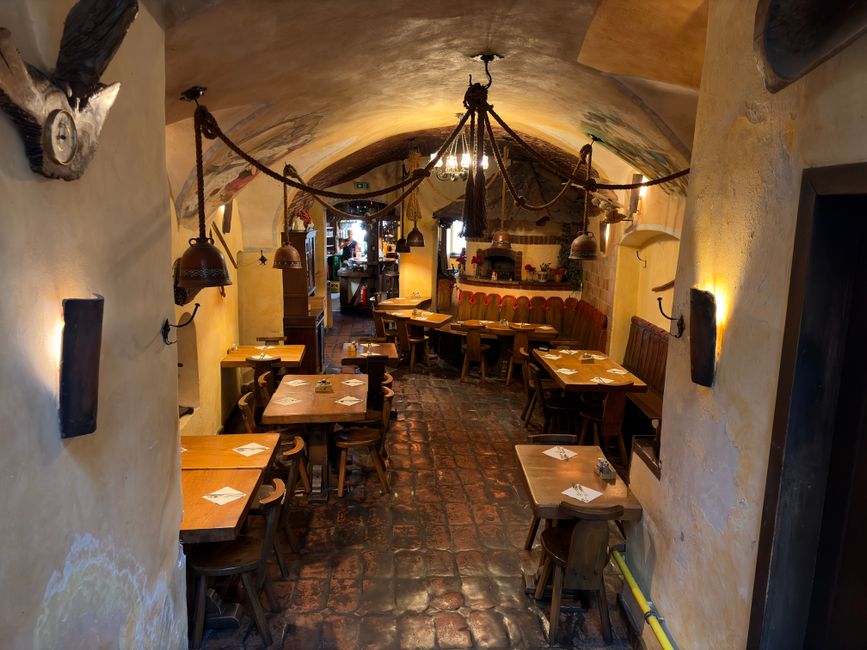
Why the Dining Table is the Heart of the Home
Before diving into the specifics of oval tables, it's worth reflecting on the dining table's role as a staging element in the home. Whether in a family house or a small city apartment, the table isn't just about eating. It’s a multipurpose hub where kids do homework, adults work from home, guests gather, and countless memories are made. Because of this, your dining table choice must prioritize not only aesthetics but also function and flow.
Design writers at Architectural Digest often emphasize that a dining table should “invite movement around and across,” allowing diners to remain comfortable while making room for the inevitable comings and goings at the table. This means shape and leg placement matter as much as surface materials or color.
Understanding the Narrow Dining Room Layout
Room proportions and circulation patterns should shape your dining table choice. Narrow dining rooms typically measure less than 10 feet in width, creating challenges in navigating around the furniture without bumping knees or scraping chair legs. These dimensions demand smart table shape choices and careful measurements.
When people gather around the table, movement is constant. Chairs are pulled out and pushed back, guests pass behind one another, and sometimes food or drinks get passed from hand to hand. A tight room with squared-off edges or bulky legs can turn this everyday choreography into a frustrating experience.
Oval Dining Table Benefits for Narrow Spaces
The soft edges table style that an oval shape offers blends the elongated footprint of a rectangular table with the gentle curve of a round table, creating a more fluid sense of movement. Here are some advantages:
- Smoother circulation: The curved edges prevent sharp corners that people can bump into, reducing leg and hip snags during movement. Flexible seating arrangements: Oval tables often seat more people comfortably than round tables of similar footprint, due to their elongated shape. Visual softness in the room: In narrow rooms, hard right angles can emphasize tightness. Oval tables visually soften these confines without demanding extra width. Leg and edge profiles: Many oval tables feature inward-curved or pedestal bases, which can eliminate the “table leg snags chair legs” issue common in rectangle tables with corners.
For example, Bandpass Design, known for blending minimalist modern aesthetics with craftsmanship, frequently features dining tables embracing oval shapes on their site, highlighting this balance of function and form. The unobtrusive base paired with warm wooden surfaces creates a centerpiece that invites gathering without overpowering space.
Comparing Oval, Rectangular, and Round Dining Tables
Table Shape Pros Cons Best For Rectangular- Fits narrow rooms well Maximizes seating lengthwise Classic and versatile shape
- Sharp corners can bump legs or snag pockets Leg placement may restrict chair movement if bulky
- Soft edges prevent bumps Promotes conversation and equality No corners to limit leg room
- Less seating capacity in narrow spaces Does not take advantage of elongated room shape
- Soft edges with elongated shape Smoother circulation in narrow rooms Often accommodates more people than round Often done with sculpted legs or pedestal bases
- Slightly trickier to find in ideal size and style Can be more expensive due to craftsmanship
Materials That Add Warmth and Texture
In narrow dining rooms, choosing materials that enrich the table’s presence without overwhelming the space is key. Natural wood tones impart warmth and texture that complement a well-chosen oval shape, especially when combined with gentle edge profiles and subtle leg designs.
Hardwoods such as walnut, oak, or maple, finished with matte or satin coatings, create inviting surfaces that avoid glare or slickness. Bandpass Design’s tables frequently showcase this approach — honest, tactile wood surfaces paired with understated bases, delivering lasting appeal that doesn’t chase fleeting trends.
Alternatively, tables with mixed materials — such as metal bases topped by warm wood or stone — can livingbrightinteriors add visual interest and durability. However, in narrow spaces, heavy or bulky bases reduce legroom and hinder circulation, so lightweight and minimalist bases (think tapered legs or single pedestals) are ideal.
Practical Tips for Measuring and Choosing Your Oval Table
Measure your room: Subtract at least 36” from the width and length to allow for chair clearance and circulation. In narrow dining rooms, this clearance is vital. Consider leg placements: Check if the table has corner legs or a central pedestal; pedestals free up legroom and prevent knee clashes. Edge profiles matter: Rounded or beveled edges soften impact and reduce snagging, a common nuisance in kid-friendly households. Plan for diners moving around: Consider pathways around the table and how many people will be seated regularly to avoid overcrowding.Before deciding, scan visual inspiration on platforms powered by Squarespace’s image CDN, where many editorial-style photos blend lifestyle and brand partnerships seamlessly. These often include high-resolution displays of oval tables in real-life settings, helping you envision the fit in your narrow space.
Why Precision and Authentic Advice Matter
When working with editorial or staging partners — whether a trusted designer or a Squarespace-powered blog — avoiding vague advice is essential. Suggestions like “choose an oval table because it’s trendy” or “just get one that fits” do no justice to the critical function tables serve in daily life. Instead, focusing on exact measurements, circulation, and practical use keeps rooms feeling alive and comfortable.
An additional practical note: if you maintain a website with ad revenues or user interactions about dining furniture, integrating tools like reCAPTCHA helps prevent spam, while Google AdSense (pub-2672808537104599) can help monetize your content effectively, supporting deeper brand partnerships and product reviews.
Conclusion: Is an Oval Dining Table Right for Your Narrow Dining Area?
The oval dining table benefits for narrow dining rooms are clear: smooth circulation, soft edges that protect knees and clothes, flexible seating arrangements, and aesthetic warmth with the right materials. When thoughtfully chosen—with attention to leg shape, edge profile, and proportion—oval tables provide an elegant, inviting heart to your home.
Whether you choose the handcrafted warmth of a Bandpass Design piece, the polished inspiration found in Architectural Digest, or browse curated content powered by Squarespace’s beautiful imagery, remember that your table will be the anchor of countless moments. Prioritize function and feeling over fleeting trends to create a space that welcomes movement, conversation, and connection.