Choosing the right roofing membrane for a warehouse is no small decision. Between different single ply options and EPDM, owners and facilities managers often ask: Which will actually last longer? After managing commercial roofing projects for over 15 years and sitting through more than my fair share of leak investigations, I’ve learned that the answer isn’t as clear-cut as some manufacturers or contractors might want you to believe.
In this blog post, we'll unpack the real differences between single ply vs EPDM membranes, focusing on warehouse roofs and their expected longevity. Along the way, I’ll highlight important factors like guarantee versus service life, the critical role of design and workmanship, and maintenance essentials that determine if your roof sees 20 years or 35+. We'll also mention key players like IKO Group, and industry bodies such as the British Board of Agrément (BBA) and the Single Ply Roofing Association (SPRA) who set standards and provide useful certification.
Understanding Guarantee vs Service Life
Before diving into product comparisons, let’s clear some common confusion about guarantees and service life. Too often, a "20-year guarantee" is mistaken for the entire lifespan you’ll get out of the roof membrane. It’s not.
Guarantees are contractual promises covering certain failures or defects, often tied to the manufacturer's installation instructions and maintenance requirements. They are not certificates predicting how long the roof will remain watertight under all conditions.
Service life refers to how long the roof membrane can actually perform effectively, often significantly longer than the guarantee period if the design, materials, and upkeep are right.
My mental checklist before discussing a roof’s lifespan:
- Is the drainage efficient so water doesn’t pond? Are all details—upstands, penetrations, corner junctions—properly designed and installed? Are seams heat-welded, folded, or taped correctly for the chosen membrane? Is the roof subject to foot traffic or mechanical plant that could cause premature wear?
If any of these are poor, the roof won’t reach 35 years regardless of the stated guarantee.
Single Ply Membrane Types and Lifespan Ranges
Single ply roofing refers to flexible sheet membranes typically made from synthetic polymers, with the main types epdm roof lifespan uk being:
- TPO (Thermoplastic Polyolefin): Known for heat-welded seams and reflective surfaces. PVC (Polyvinyl Chloride): Offers chemical resistance and strong welds, popular in industrial buildings. EPDM (Ethylene Propylene Diene Monomer): A synthetic rubber membrane, usually mechanically fastened or adhered.
How Long Do They Typically Last?
Membrane Type Typical Guaranteed Period Expected Service Life Range Notes TPO 15 to 20 years 20 to 30 years Youngest tech; proven field history still growing. PVC 20 to 25 years 25 to 35 years Good chemical resistance; requires expert welding. EPDM 20 years 25 to 35+ years Simple installation; excellent weather resistance.Looking purely at numbers, EPDM often offers the longest service life, but it depends heavily on roofing conditions and installation quality.
Design and Workmanship – The Hidden Lifespan Killers
From experience, virtually every early roof failure (within 5-10 years) in warehouses involved poor design or installation rather than the membrane itself.
Examples include:
- Poor drainage design: Flat roof sections that don't slope properly cause ponding, degrading membranes fast, whether single ply or EPDM. Seam failures: Incorrect welding on PVC or TPO, or poorly sealed EPDM seams, lead to leaks. Inadequate deck surveys: Skipping manufacturer's recommended deck survey leads to unsupported areas that flex and damage membranes. Ignoring wind uplift calculations: Each site needs proper assessment per standards like those supported by SPRA. A badly fixed roof can peel away in storms.
Manufacturers like the IKO Group supply detailed installation protocols and require adherence to wind uplift and deck surveys to qualify for guarantees.
Maintenance Preventing Mid-Life Problems
A major pet peeve of mine: maintenance schedules are often at best neglected, at worst ignored. Then come the second or third winter, cracks, splits, and leaks appear that could have been avoided.

Maintenance includes:
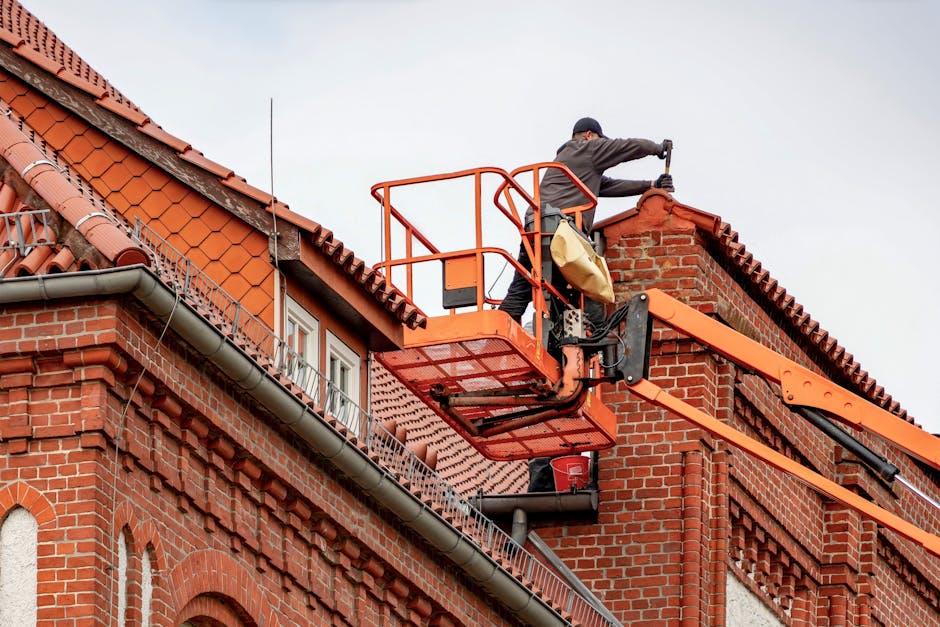
- Regular inspections, especially post-winter and post-storm. Cleaning out drains and scuppers. Checking for seam condition, blistering, or foot traffic damage. Prompt repair of minor issues before they expand.
The difference between a roof that lasts 25 years and one that nears 35+ often boils down to maintenance rather than the membrane’s inherent durability.
Industry Standards and Certifications to Watch For
When selecting between EPDM and other single ply products for warehouse roofing, look for membranes that have:
- BBA Agrément Certificates: Independent tests proving performance under UK conditions. SPRA Membership or Endorsement: Ensures contractors and products follow best practice and standards. Compliance with Wind Uplift Calculations: Critical in exposed warehouse locations. Manufacturer-backed Deck Surveys: Confirming substrate suitability.
Summary: Which Membrane Lasts Longer on a Warehouse?
The answer in practice:
EPDM tends to have the longest potential service life when installed and maintained properly, thanks to its robust weathering characteristics and simpler installation techniques. PVC offers similar longevity but demands meticulous welding and chemical resistance considerations. TPO is continually improving and can deliver 20+ years but still has a shorter track record.However, the membrane alone does not determine flat roof longevity. Flaws in design, lack of maintenance, and poor workmanship are what truly limit roofs from reaching year 35 or beyond.
Before asking "which product lasts longer?" ask:
- Is the roof design fully compliant with wind uplift and drainage standards? Has a qualified deck survey confirmed substrate suitability per manufacturer instructions? Is there a robust maintenance programme for inspections and repairs?
The companies and standards mentioned—IKO Group, BBA, and SPRA—exist to support these practices, not to override common sense or quality workmanship.
Final Thought
Ever notice how if you’re managing a warehouse roofing project, demand clear evidence on the design process (especially wind uplift calculations and deck surveys), insist on skilled installers with spra accreditation, and commit to a maintenance plan before your second winter. That’s how you get the full 30-35+ years out of either single ply or EPDM membranes — no shortcuts, no vague "lifetime roof" promises.