I’ve spent the last 12 years in the commercial fit-out trenches here in Kuala Lumpur. I’ve seen beautiful clinics turn into maintenance nightmares within six months, and offices that look brand new after five years of heavy traffic. Before we even talk about moodboards, I need your written scope. Why? Because you can have the most expensive, visually stunning reception area in Bangsar, but if the materials can’t handle the humidity, the cleaning agents used by your staff, or the footfall of your daily operations, your project is a financial liability.
Most clients https://fionafreshmaids.com/tech-office-fit-out-beyond-the-aesthetic-and-into-the-infrastructure/ get distracted by Pinterest boards. I get distracted by the building management’s approval process and the itemized quote. Let’s stop focusing on how the material looks and start asking how it lives.
Interior Designer vs. Fit-Out Coordinator: Who Does What?
It is a common mistake to assume that the Interior Designer is responsible for the long-term structural and maintenance feasibility of your materials. They are focused on the aesthetic narrative. My role as your Fit-Out Coordinator is to be the reality check.
- The Interior Designer: Curates the "look," selects the color palette, and ensures the spatial layout aligns with your brand identity. The Fit-Out Coordinator: Ensures that the materials chosen are compatible with your business workflow, comply with Fire & Rescue (BOMBA) regulations, and have a maintenance profile that your operations team can actually manage.
When you ask me for a design, I will ask for your workflow. If you are running a high-traffic clinic, choosing a porous material for your high-touch counters is a disaster waiting to happen. I look at your project risks by the approval steps, not the renderings.
The Danger of the "Lump-Sum" Quote
If a contractor hands you a one-page quote that just says "Reception Fit-Out: RM 80,000," run. That is my biggest pet peeve. Without an itemized breakdown, you have no way of knowing if you are paying for high-traffic grade laminates or bargain-bin finishes that will peel after one rainy season in KL.
When requesting quotes, always insist on a breakdown. You need to see the cost of the material, the cost of labor, and the specific brand/specification of the finishes. If they can’t tell you the lifespan of the material or provide a maintenance manual, they aren't planning for https://lilyluxemaids.com/the-practical-guide-to-lighting-alignment-and-levels-before-handover/ your business—they are just finishing a job.
The Checklist: Questions You Must Ask Before Signing
Before you commit, hand this list to your contractor. If they hesitate to answer, re-evaluate the partnership.
Category Key Questions to Ask Material Performance What is the manufacturer’s warranty period? How does this material react to commercial-grade sanitizers? Maintenance Cost What is the recurring maintenance cost to keep this look? Do I need specialized cleaners? Compliance Does this material meet fire-rating requirements for this commercial space? Is it CIDB compliant? Lifecycle What is the expected lifespan before this material requires a full patch or replacement?M&E and Fire Safety Coordination: The Unseen Costs
In KL and Selangor, the building management approval process is your biggest hurdle. They care about fire safety, loading capacity, and M&E (Mechanical & Electrical) integration. If your material choice blocks a sprinkler head or interferes with an air-conditioning return vent, you won't get your Certificate of Completion and Compliance (CCC).

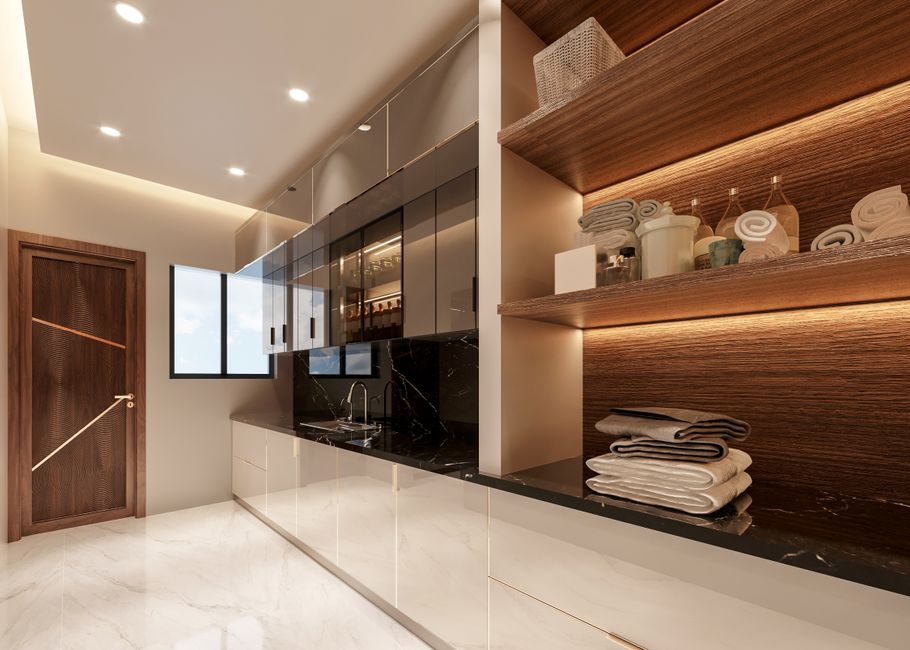
I often see clients choose heavy marble feature walls without checking the floor loading capacity with building management. That is a massive project risk. Always verify the weight and the installation method (e.g., dry-fix vs. wet-fix) before ordering materials.
Compliance: CIDB, Insurance, and Safety
I lose patience quickly with contractors who are vague about their CIDB registration or insurance coverage. In Malaysia, your fit-out project is legally bound by safety standards. If your contractor is not CIDB-registered, you are liable for any accidents or sub-standard work that fails building inspection. Always ask to see the contractor’s valid CIDB Green Card and their insurance documentation (Public Liability/Contractors All Risk) before a single hammer is swung.
Using Social Platforms to Your Advantage
Use your social sharing platforms not just to show off "after" photos, but to document the process.
- LinkedIn: Use this for professional documentation. Share your project planning tips and the importance of hiring compliant contractors. It builds your professional credibility. Facebook: Great for local community engagement. Share your progress updates—people love seeing a space go from an empty shell to a fully functional office. Pinterest: Don't just pin images. Pin the technical data sheets or material specifications. It keeps your moodboards grounded in reality. Twitter (X): Use this for quick, punchy updates on your project’s milestones or to ask for advice from local experts in the KL fit-out community.
The Bottom Line
Your fit-out is an investment, not a decoration. A material with a lower maintenance cost today might save you RM 20,000 in replacements three years from now. When choosing your team, look for the contractor who asks you about your cleaning schedule, not the one who promises you a 14-day handover (that’s physically impossible if you want things done safely and with proper building management sign-off).
Always ask for the written scope, check the itemized quotes, and keep your documentation tight. If you don't have time to manage these details, hire someone who does. The cost of a professional coordinator is pennies compared to the cost of fixing a failed project because the wrong materials were used.
Remember: A project isn't successful because it looks good in a photo. It’s successful because it’s still functioning perfectly when your business reaches its next growth milestone.