After a decade of watching operations run from the control tower and another decade of logging 30 to 40 flights a year as a travel writer, I’ve seen it all. I’ve seen the rookie traveler try to sprint off a red-eye only to collapse in a heap at the baggage claim, clutching their calves in agony. That "post-flight hobble"—where your legs feel like leaden pipes filled with concrete—isn't just annoying; it’s a physiological warning sign.
I keep my travel essentials organized in one clear, quart-sized zip pouch. Why? Because if it isn't in the pouch, it gets forgotten in a hotel drawer or left at security. Everything I use to combat leg pain—from my compression socks to my sublingual tinctures—lives in that pouch. It makes breezing through TSA a non-issue because everything is clearly visible and compliant with the 3.4-ounce (100ml) liquid limit. If your "solution" for leg pain involves a 6-ounce bottle of lotion, you've already lost the battle at the checkpoint.
Understanding the Science: Why Your Legs Revolt
When we talk about long flight leg pain, we aren't just talking about a minor cramp. We are talking about fluid dynamics. According to research referenced by the NIH / NCBI (PubMed Central), the combination of prolonged immobility and reduced cabin pressure impacts venous return. When you sit for six hours, your calf muscles—the "second heart" of your circulatory system—stop pumping blood back toward your torso efficiently. This results in pooling, swelling (edema), and that stiff, aching sensation.
Furthermore, The Permanente Journal has published findings regarding the importance of active movement and pressure regulation to mitigate these risks. It isn't just about "moving around" when the seatbelt sign goes off; it’s about managing the internal environment of your body before, during, and after the cruise phase.
The Dehydration Myth: Humidity Matters
You’ve heard the advice a thousand times: "Stay hydrated." But most travelers fail because they don’t understand *why*. Most flight crews operate in cabin humidity levels between 10% and 20%. For context, a healthy environment on the ground is roughly 40% to 60%.
When you sit in why feet swell during flights that dry, recycled air, your body loses moisture through respiration and evaporation much faster than it does on the ground. This drop in systemic hydration increases blood viscosity—effectively, your blood becomes slightly thicker. When your blood is thicker and you aren't moving, your circulation slows down, exacerbating leg pain.
Drinking a gallon of water isn't the cure; it just makes you visit the cramped lavatory more often. You need electrolytes to help your cells *retain* the water you’re drinking. I keep a few electrolyte tabs in my pouch. They weigh nothing, pass through TSA with no questions, and actually ensure that the water I’m drinking is helping my cells stay plump and functional.
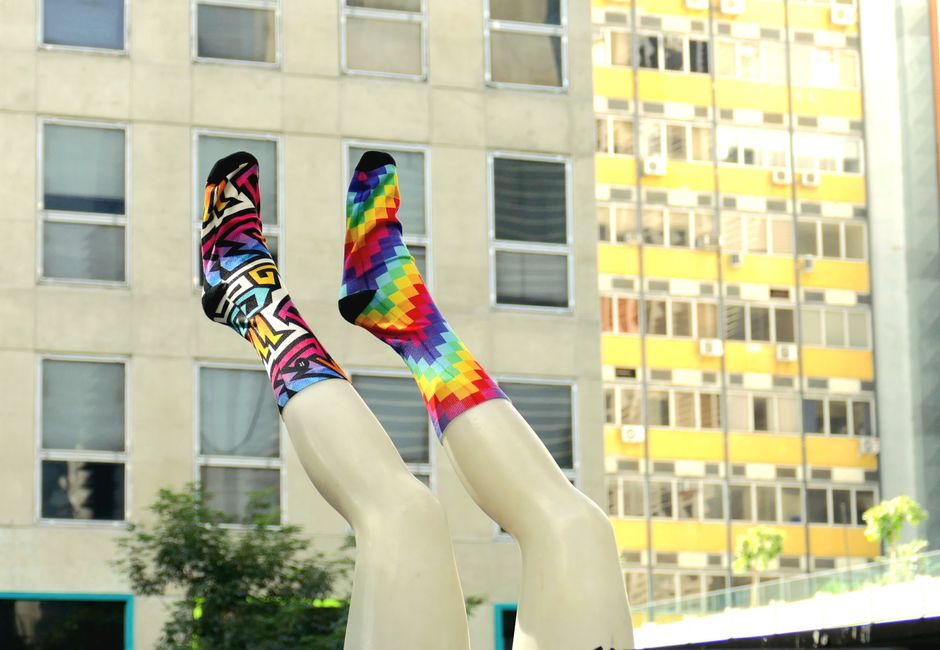
The Gear: Compression Socks Travel Essentials
If you take one piece of advice from this article, let it be this: invest in high-quality compression socks for travel. I’ve tested everything from cheap drugstore pairs to medical-grade gear on my short-haul "test flights" before I ever commit them to a 14-hour trek to Singapore.
You want graduated compression—tightest at the ankle and gradually loosening toward the knee. This forces blood out of the extremities and back toward the heart, preventing the pooling that causes that stiff, "heavy leg" feeling. If you can’t find a pair that fits comfortably, do not bother; if they cut off circulation at the top, they are doing more harm than good.
Recommended Protocol for Circulation Support
- Pre-Flight: Put your socks on *before* you reach the airport. The walk through the terminal is your first opportunity to get the blood pumping. In-Flight: Perform seated calf raises. Plant your heels, lift your toes, and squeeze your calves. Repeat 20 times every hour. Post-Flight: If you are moving to a hotel, elevate your legs against the wall for ten minutes the moment you arrive. It’s a game-changer for recovery.
Nervous System Regulation and CBD
Stress is a major, often overlooked contributor to physical tension. When your sympathetic nervous system is stuck in "fight or flight" mode—which is essentially what a busy airport terminal triggers—your electrolyte packets for flying muscles tighten, including those in your lower body.
I’ve incorporated a CBD oil tincture dropper into my routine, using it sublingually (under the tongue) about 30 minutes before boarding. I currently use Joy Organics for this. Why? Because they are transparent. Before I put any product in my bag, I check the third-party lab results / certificate of analysis (COA). I want to know exactly what is in the bottle.
Note on TSA compliance: Since a CBD tincture is a liquid, keep it in your 3-1-1 bag. It must be under 3.4 ounces, which is standard for almost all tincture bottles. By calming the nervous system, you reduce the muscular tension that contributes to the "stiff" feeling post-flight. Just be wary of any company that makes wild medical claims—CBD is a tool for regulation, not a magic bullet.
Melatonin, Sleep, and Jet Lag Timing
If your flight is a red-eye, your sleep quality will dictate how your body handles physical stress the next day. If you arrive at your hotel having "slept" for three hours in a curled-up ball, your legs will be stiff, and your cortisol will be spiking.
My biggest gripe with the travel industry right now is the obsession with "megadose" melatonin. I see melatonin supplements on sale in airport kiosks boasting 10mg or 20mg doses. This is reckless. The NIH research generally suggests that our bodies only need a fraction of that to signal the circadian rhythm to shift. Taking a megadose just guarantees you’ll wake up with a "hangover" feeling, which causes you to move less the next day, which—you guessed it—leads to more leg stiffness.

I suggest a low-dose, time-release formula. You aren't trying to knock yourself unconscious; you’re trying to nudge your internal clock. Pair that with a consistent wind-down routine in your hotel—no blue light, a hot shower for blood flow, and elevating the feet—and you’ll wake up ready to hit the ground running.
Quick Reference: Travel Recovery Comparison
Strategy Primary Benefit TSA Status Graduated Compression Socks Circulation Support Wearable Electrolyte Tabs Cellular Hydration Solid/Powder (Safe) CBD Tincture Nervous System Regulation Liquid (Must be <3.4oz) Low-Dose Melatonin Circadian Adjustment Solid (Safe) <h2> Final Thoughts from the Aisle SeatStop overpacking. You don't need a compression foot-massager, a neck-traction device, and three different types of supplements. You need a pair of solid compression socks, a reliable electrolyte source, and a vetted CBD tincture in your clear pouch.
The secret to avoiding stiff legs isn't found in a magic product; it’s found in the discipline of your routine. Test your gear on a short weekend hop. Learn how your body responds to sublingual CBD. Figure out which electrolyte brand doesn't taste like chalk. Once you have your "travel pouch" dialed in, you won't just arrive at your destination—you’ll arrive ready to explore, rather than spending your first day back in a hotel room trying to work the knots out of your calves.
Safe travels, and keep those feet moving.