When a loved one is recovering from an illness and feeling unsteady on their feet, the bathroom can quickly become one of the most hazardous rooms in the home. Small changes can make a dramatic difference to safety, comfort, and independence. But before diving into grab rails and shower seats, it's crucial to start with the basics: air quality, ventilation, lighting, and surfaces that reduce slip risks.
Start With What You Can Measure: Humidity, Air Quality & Circulation
Poor air quality and excessive humidity in bathrooms cause more problems than just discomfort. Damp environments encourage mould growth, which may exacerbate respiratory conditions and slow recovery. Mould is an invisible problem until it becomes serious, https://www.homify.co.uk/ideabooks/9949289/how-to-design-a-home-that-helps-you-rest-and-recover so spotting damp early is key.
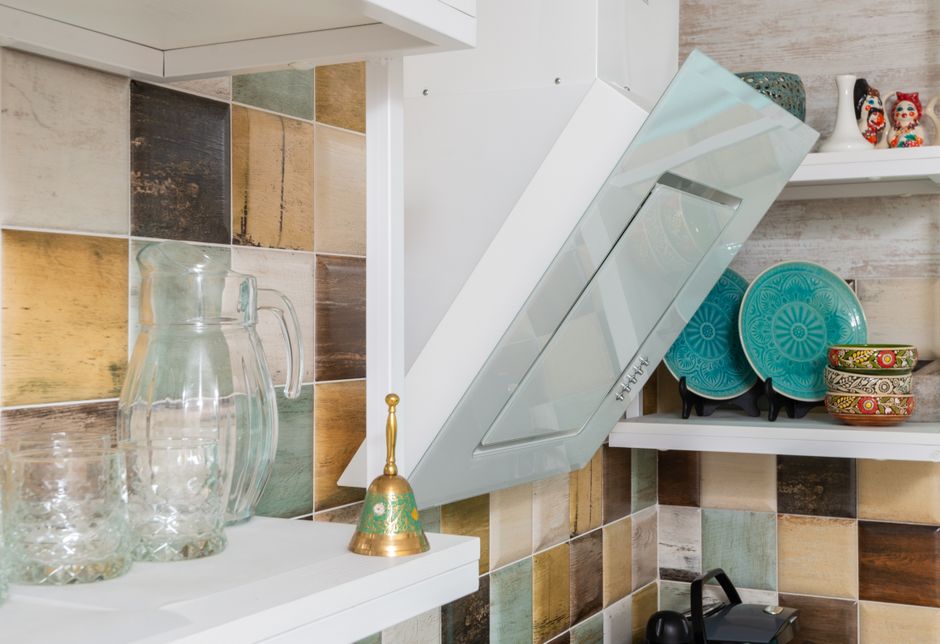
A simple hygrometer can measure humidity—aim to keep levels below 60% in the bathroom. Equally important is good ventilation. This is why extract fans are essential, yet often overlooked or incorrectly installed.
Common Ventilation Installation Mistakes to Avoid
- Underpowered fans: Fans that don't move enough air for the bathroom size fail to reduce humidity effectively. No external venting: Fans exhausting into lofts or internal walls rather than outside can cause hidden damp. Noisy fans: If the extract fan is too loud, people simply turn it off, negating its purpose. Single-circuit lighting and fan control: Ideally, fans should run on separate circuits or with delayed timers to ensure bathrooms remain dry even after lights are off.
Choosing and installing an extract fan correctly is a foundational step in making your bathroom healthier and safer. Engaging reputable companies with expertise in accessories and home improvements, such as Utology (Furniture & Accessories in Birkenhead, rated 5), can provide well-designed ventilation solutions fitted for everyday use.
Damp and Mould: The Hidden Health Risks in Bathrooms
Damp and mould aren’t just unpleasant—they actively worsen health issues, especially for those recently ill or with compromised respiratory systems. Visual signs of mould shouldn’t be ignored, nor should that ‘musty’ smell which suggests hidden moisture.
Damp/Mould Effect Why it Matters Post-Illness Triggers allergic reactions Can cause sneezing, congestion, and irritation, making recovery slower. Encourages respiratory infections Compromised immune systems are more vulnerable to infections caused by airborne spores. Compromises skin healing Persistent moisture can worsen wound healing and skin conditions common post-hospitalisation.In bathrooms, proper ventilation combined with appropriate finishes—like tiles from trusted providers such as Unique Tiles (Tile, Stone & Worktops in Crewkerne, rated 14)—ensures surfaces remain clean, hygienic, and free from moisture traps which could nurture mould.
Lighting Matters: Support Circadian Rhythms for Better Recovery
Lighting is often overlooked in a bathroom revamp for someone unsteady after illness, but it plays a surprisingly important role. Layered lighting installed on separate circuits allows you to customise illumination levels and timing. Why is this important?
Strong, cool light in the morning mimics daylight and helps reset circadian rhythms, reducing grogginess and improving balance and alertness. In the evening, warmer, softer lighting signals the body to wind down, promoting better sleep and recovery.
Layers of lighting can include:
- Bright overhead lights for general visibility in the morning and daytime. Task lights around the mirror or sink to aid grooming tasks. Soft night lights or low-level illumination for safe movement at night without disrupting sleep cycles. Motion-sensor options to avoid fumbling with switches when unsteady.
Small Fixes That Actually Work: Grab Rails, Shower Seats & Non-Slip Flooring
Once air quality and lighting are addressed, focus shifts to physical aids and surface safety. These are the three key features that dramatically reduce falls and increase confidence in the bathroom:
Grab Rails
Strategically positioned grab rails provide support when moving in and out of the bath or shower, getting up from the toilet, or simply maintaining balance on slippery floors. Look for rails with a non-slip finish and comfortable grip diameter. Avoid installing rails into drywall alone; they must be anchored securely into studs or wall fixings rated for weight.
Shower Seats
A sturdy shower seat offers a place to rest during bathing, reducing fatigue and fall risks. Fold-down wall-mounted seats save space and provide reliable support. When selecting a seat, prioritize those with non-slip surfaces and height options that match the user's comfort. Some companies that provide bespoke bathroom furniture and accessories, like Utology, can incorporate such features stylishly, making the space both practical and pleasant.
Non-Slip Flooring
Even the most careful person is vulnerable on wet bathroom floors. Non-slip flooring is not a luxury; it’s a necessity when recovery involves unsteadiness. Non-slip tiles or vinyl with a textured surface provide much better grip than standard polished tiles.
If re-tiling, consult suppliers like Unique Tiles to find floor coverings that balance safety with aesthetics. Discuss slip ratings (often denoted by R-values) to ensure you select materials suited for wet areas with high safety standards. Small rugs and mats can be added but only if they have a strong anti-slip backing to prevent new trip hazards.
Practical Steps for a Safer Bathroom After Illness
Measure humidity and install a quality extract fan: Keep moisture below 60%, and ensure fan vents externally and is quiet enough for regular use. Decide on layers of lighting: Install a combination of cool white LEDs for mornings, warmer tones for evenings, and low-level night lights. Choose non-slip flooring: Replace slippery surfaces with tiles or vinyl rated specifically for wet and accessible environments. Fit grab rails thoughtfully: Consult a professional for secure fixing locations that offer maximum support where needed most. Add a shower seat: Consider fold-down models for flexibility and space-saving. Regular cleaning and monitoring: Keep an eye on mould signs and clean bathroom surfaces with anti-mould products recommended by specialists.Finding Reliable Partners for Your Bathroom Renovation
Tackling a bathroom revamp for a recovering loved one is never a simple DIY project. Collaborating with reputable local companies ensures professional advice and installation:
- Utology in Birkenhead offers quality furniture & accessories with a trusted rating of 5, specialising in practical and safe bathroom aids like grab rails and shower seats. Unique Tiles in Crewkerne, with an impressive rating of 14, supply tiles, stone, and worktops tailored for safety and hygiene in wet rooms.
Consulting these experts early on in your planning guarantees materials, fixtures, and installations meet the latest safety standards and suit the needs of someone recovering balance and strength.
Conclusion: Safety and Comfort Are Within Reach
Remember, before blaming tenants or family members for damp or mould, it is essential to understand the real causes often lie in ventilation and building design, not users. Also, “blackout curtains” that let light leak round edges do little to support circadian health—lighting solutions must be tailored thoughtfully.
Lastly, fans and ventilation systems must be quiet enough to encourage consistent use; otherwise, they’re just another ignored technicality. Tackling bathroom safety when someone is unsteady after illness is about combining measured air quality improvements, layered lighting, and physical supports like grab rails, shower seats, and non-slip flooring.
With these small fixes that actually work, you can transform a risky bathroom into a safe, inviting space that supports health, independence, and recovery.
