I have been a frequent flyer for twelve years, and if there is one thing that drives me up the wall, it’s the travel advice that tells you to “just relax” and hope for the best. Anyone who has navigated the intersection of NHS waiting lists and the reality of an urgent care need in a foreign country knows that “relaxing” is the fastest way to turn a minor health hiccup into a total trip-ruining nightmare. My phone’s notes app contains a pre-flight checklist that would make a pilot blush—and honestly, that’s how it should be. Healthcare isn't an afterthought; it’s part of the logistical infrastructure of your trip, right alongside your passport and power adapters.
The rise of digital health has changed the game, but I want to cut through the marketing fluff. We aren’t here to talk about “wellness journeys” or vague, buzzword-heavy wellness apps. We are here to talk about practical, regulated, and actionable medical preparation using telehealth consultations and online prescription management systems before you step out the door.
The Reality of Healthcare Prep in a Digital Age
Most travelers treat healthcare as a passive activity. They assume that if something goes wrong, they’ll walk into a pharmacy or a hospital, show an insurance card, and everything will be fine. Anyone who has tried to get a prescription filled in a country where your home doctor's note is legally worthless knows this is a fantasy.
In the UK, we are used to the NHS. It is an incredible system, but it is also one that operates under significant pressure. If you try to secure a travel-specific consultation or a prescription refill at the eleventh hour via an NHS GP, you are setting yourself up for disappointment. This is where private digital healthcare providers, regulated by the Care Quality Commission (CQC), offer a genuine bridge.
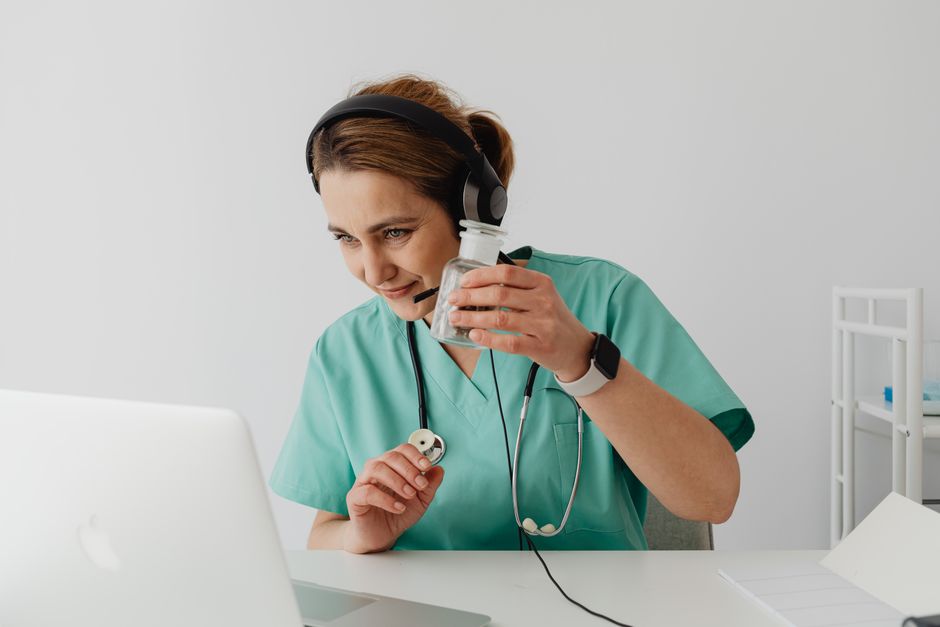
Telehealth is not a magic wand, but when used correctly before you leave home, it eliminates several major friction points that usually cause stress mid-trip.
1. Prescription Continuity and Access
The biggest failure https://bizzmarkblog.com/navigating-medication-continuity-a-frequent-travelers-guide-to-remote-prescription-support/ point in pre-travel medical planning is medication management. If you rely on daily medication, you cannot simply assume you will find a local equivalent abroad. Regulatory landscapes vary wildly—what is a standard pill in the UK might be a controlled substance in another jurisdiction.
Using Online Prescription Management Systems
Modern online prescription management systems allow you to bridge the gap. Instead of waiting for a GP appointment that might be weeks away, these services offer a transparent, regulated way to discuss your current medication schedule. The goal here is twofold: secure a sufficient supply for your trip and obtain the necessary clinical documentation to support why you are carrying those medications.

When you use services like Releaf, you aren't just getting medicine; you are interacting with specialists who understand the documentation required for travel. They provide the clinical oversight necessary to ensure that you are carrying your medication legally, complete with the appropriate paperwork that local customs or pharmacists might demand.
2. Telehealth for Specialist Reassurance
I have a rule: if I’m worried about a recurring issue—be it a skin condition that flares up in tropical climates or a chronic concern that feels “off”—I deal with it before I head to the airport.
Using telehealth consultations allows you to speak with clinicians who can assess whether you’re fit for travel or if you need a specific type of preventive care. This isn't just about “reassurance”; it’s about risk mitigation. Companies like Traveltweaks help travelers understand the logistical requirements of their destination, acting as a consultant to ensure that your medical prep matches the demands of your itinerary.
Why do this before you leave? Because the digital convenience of a telehealth platform means you don't remote consultation UK for expats have to sacrifice your entire day sitting in a waiting room. You get the professional opinion while you’re still in your living room, with your own records at hand.
Pre-Travel Medical Friction Points: A Comparison Table
To help you see where the friction usually occurs, I’ve broken down the differences between traditional methods and the proactive telehealth approach.
Scenario Traditional Method (Wait & See) Proactive Telehealth Strategy Prescription Refill Last-minute panic at the pharmacy. Order in advance via online system; meds delivered to home. Chronic Condition Flare-up Emergency care in a foreign country. Pre-trip consult with a specialist; localized contingency plan. Medical Documentation Trying to explain local meds to a foreign doctor. CQC-regulated clinical letters held in your digital files. Appointment Availability NHS GP queue (often 2-4 weeks). Telehealth booking (often same-day or next-day).What Should Be on Your Pre-Flight Checklist?
I keep a running note in my app called "Medical Prep." If you aren't doing this, start now. Here is what you should be handling before you even look at your boarding pass:
Medication Audit: Check your supply. Do you have enough for the trip plus a 7-day buffer? If not, engage an online prescription management service now. Regulatory Check: Are your medications permitted in your destination country? If you’re unsure, use a travel health consultant service to verify import laws. Clinical Documentation: Download or print your prescriptions, clinical letters, and a summary of your health records. Ensure everything is dated within the last 30 days. Telehealth Setup: If you are traveling to a region with poor medical infrastructure, book a pre-trip consultation with a telehealth provider who can offer support while you are away. Insurance Check: Does your policy actually cover pre-existing conditions? Telehealth clinicians can often help you understand if your current state of health falls under your policy's definition of "stable."Why CQC Regulation Matters
A quick warning: Avoid the "digital healthcare" sites that look slick but have no identifiable regulatory body. In the UK, you should always look for the Care Quality Commission (CQC) badge on any telehealth provider’s website. This ensures that the clinical care you are receiving meets national standards of safety and quality.
When you see a site promising instant medical miracles without a rigorous intake form or a link to a CQC-registered provider, close the tab. Real healthcare, even digital healthcare, requires rigorous data collection and professional accountability. Don't trade your safety for the convenience of a fast, unregulated service.
The Bottom Line
Telehealth is not about avoiding doctors; it is about leveraging technology to ensure that when you are on the road, you are as prepared as possible. I’ve spent over a decade traveling, and the trips that go the smoothest are the ones where I’ve spent two hours on a Tuesday evening two weeks before departure handling the paperwork and the prescriptions.
Stop waiting until you're in the middle of a health crisis in a foreign city to figure out how to see a doctor. Use the tools available—get your prescriptions managed, consult with specialists, and verify your regulatory status before you leave. Your future self, sitting in a hotel room in a foreign time zone, will thank you.