In today’s evolving workplace landscape, the conversation around comfort and productivity has shifted dramatically. Hybrid work models, where employees split time between home and office, have reshaped employee expectations and the design of office spaces. Companies like Lum Chang Brandsbridge have been at the forefront of implementing smart ergonomic office furniture solutions that cater to these new dynamics.
Drawing insights from recent Harvard Business Review articles and real-world implementation stories, this post explores the most impactful ergonomic upgrades you can make in your workspace. Focusing on desk setup comfort, chair and desk posture, and the balance between collaboration and privacy, this guide will help you understand how to create a more flexible, healthy, and productive environment.
Understanding the New Expectations of Hybrid Work
The shift to hybrid work has fundamentally changed how offices are designed and equipped. Employees no longer expect to occupy a fixed desk every day but desire flexibility, mobility, and spaces that adapt to different tasks and interactions. According to Harvard Business Review, companies that embrace flexible layouts and ergonomic investments see a marked increase in employee satisfaction and well-being.
- Flexibility: The office is no longer a one-size-fits-all. Workers want to choose where and how they work depending on the task—whether that’s focused individual work, team collaboration, or casual brainstorming. Comfort: As hybrid workforces split time between home and office, ergonomic consistency becomes critical to prevent discomfort, fatigue, and long-term injury. Technology Integration: Smart furniture and spaces that support virtual and in-person collaboration are essential.
Flexible Layouts and Multi-Purpose Zones
One of the biggest ergonomic improvements Lum Chang Brandsbridge has hybrid work office layout championed involves transforming rigid office layouts into versatile multi-use spaces. These flexible zones encourage movement and provide areas designed for different work modes:
- Hot Desking and Agile Workstations: Adjustable desks and movable seating support a dynamic workforce that requires quick changes throughout the day. Focus Pods: Quiet, ergonomically designed pods or booths offer privacy without isolating employees completely from the team. Collaborative Hubs: Ergonomically designed tables and seating arrangements foster creativity and team discussion while maintaining good posture and movement.
These layout innovations are especially important to address “ergonomic office furniture” needs because they allow personalization and adjustability. The focus is no longer solely on a set workstation but on creating environments where ergonomics serve multiple purposes in one space.
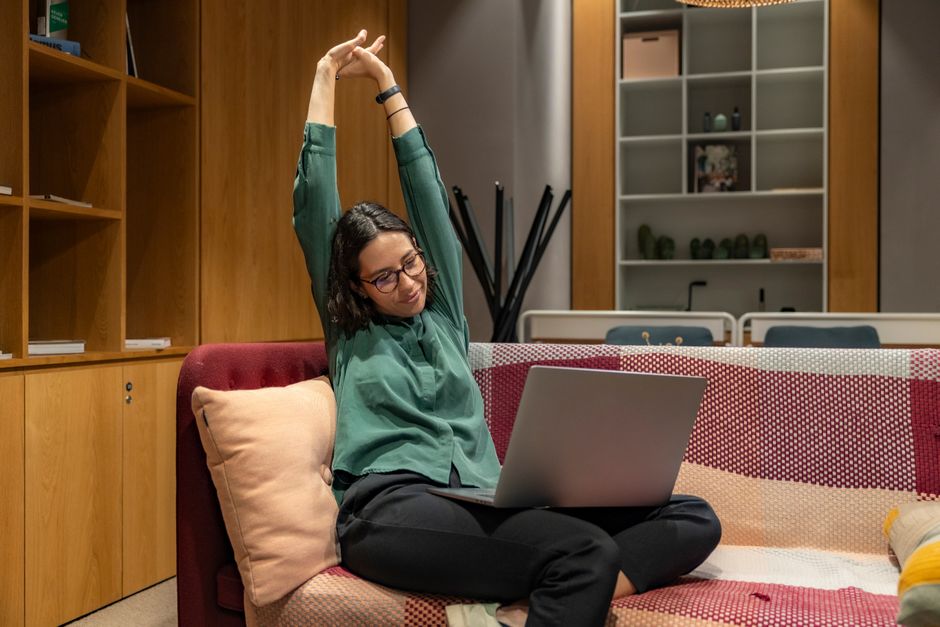
Photo Example: Flexible Workstation Setup

Design Based on Real Workflows
Ergonomic upgrades are most effective when tailored to actual employee workflows and behavior patterns. Instead of applying generic office furniture solutions, understanding how different teams work helps facilities teams and contractors implement the right chair and desk posture options.
According to Lum Chang Brandsbridge’s approach, this involves:
Observation and Feedback: Analyzing work tasks, movement, and collaboration within departments. Ergonomic Assessment: Measuring chair and desk posture alignment and identifying common discomfort points. Customized Solutions: Selecting ergonomic office furniture that supports specific workflows—from standing desks for product designers to privacy pods for HR.When combined with smart technology, like easily adjustable desks and lighting controls, tailored ergonomic setups encourage healthier work habits and higher productivity.
Achieving the Right Collaboration vs Privacy Balance
A common challenge with ergonomic design is balancing the need for collaboration with the need for privacy. Open-plan offices improve communication but often sacrifice acoustic and visual privacy—negatively impacting comfort and focus.
Strategic ergonomic upgrades play a crucial role here:
- Acoustic Panels and Dividers: Use portable or semi-permanent panels that also function as support for monitor mounts or accessory trays. Ergonomic Seating Choices: Chairs with high backs and adjustable headrests help create personal zones even in open areas. Dedicated Quiet Rooms: Equipped with ergonomic furniture and optimal lighting, these spaces support deep work and video conferencing without distractions.
Lum Chang Brandsbridge has helped clients develop office ecosystems that seamlessly integrate these options, enabling employees to shift effortlessly between shared and private modes while maintaining desk setup comfort and healthy posture.
Core Upgrades That Make the Biggest Difference
Based on 12 years working alongside commercial fit-out crews and facilities teams, these ergonomic office furniture upgrades consistently deliver the greatest impact:
Upgrade Description Benefit Height-Adjustable Desks Allows users to alternate between sitting and standing positions. Reduces musculoskeletal strain and improves circulation. Ergonomic Chairs with Lumbar Support Chairs designed to support the natural curve of the spine and adjustable to individual needs. Improves chair and desk posture, reducing back pain and discomfort. Monitor Arms and Adjustable Screens Enables screen height and distance adjustments to reduce neck and eye strain. Enhances desk setup comfort by promoting neutral neck posture. Keyboard and Mouse Supports Wrist rests and adjustable trays reduce strain on forearms and wrists. Helps prevent repetitive strain injuries (RSI). Flexible Layout Furniture Modular desks and movable partitions that adapt to multiple use cases. Supports workflow-based design and hybrid work demands.Integrating Technology and Ergonomics
Modern ergonomic office solutions also incorporate technology to ensure optimal comfort with minimal effort. For example, Lum Chang Brandsbridge recommends integrating smart desks with memory presets that automatically adjust to users’ preferred height settings. Combined with wireless charging pads and cable management systems, these desks reduce clutter and distractions.
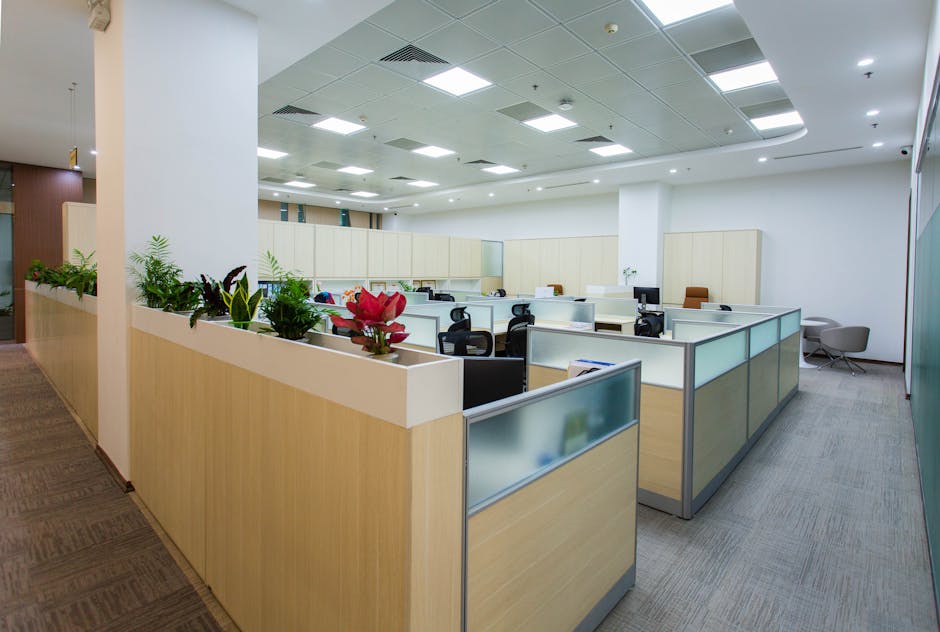
Visual inspiration and product showcases are also critical when planning upgrades. Many companies use digital platforms like Squarespace CDN to host high-resolution images of ergonomic setups to help stakeholders visualize outcomes before committing.
Summary: The Path to Better Work Comfort and Productivity
Implementing ergonomic office furniture and improving desk setup comfort based on chair and desk posture is no longer a “nice to have,” it’s a strategic imperative in the age of hybrid work. Key themes to keep in mind include:
- Adaptability: Use flexible layouts and multi-purpose zones that support a variety of work styles. Real Workflow Design: Base decisions on how employees actually work, not just aesthetics. Balance: Achieve the right mix of collaboration and privacy to keep employees comfortable and focused.
With thoughtful ergonomic upgrades, informed by leaders like Lum Chang Brandsbridge and research insights from the Harvard Business Review, organizations https://annamaid.com/what-furniture-makes-an-office-layout-easy-to-change-later/ can foster healthier workplaces that boost productivity, satisfaction, and long-term wellbeing.