I spent five years behind a showroom counter in Valencia listening to homeowners describe their "haunted" bathroom mirrors. They’d come in frustrated, saying their brand-new vanity light was strobing like a nightclub, ruining their morning makeup routine. Nine times out of ten, it wasn't a haunted house—it was a simple compatibility issue.
If your mirror is acting up, let’s get into the nitty-gritty of bathroom mirror flickering and how to fix it without calling an electrician for a $200 service call.
The Common Culprits: Touch Mirror Troubleshooting
When you start dealing with touch mirror troubleshooting, you have to look at the power source first. Most people assume an LED is just a lightbulb, but an LED mirror is actually a piece of electronic equipment. It needs a steady flow of voltage.
Here is what you should check before you panic:
- The Dimmer Switch: This is the #1 cause of flickering. Most LED mirrors are not designed to work with the standard wall-dimmers you have in your Canyon Country tract home. If the mirror has its own built-in touch sensor to dim the light, putting it on a wall-dimmer creates a "voltage conflict" that makes the LEDs stutter. Loose Wiring: Check the connection behind the mirror. If you didn't use proper wire nuts or if the bathroom mirror wiring is loose in the junction box, that vibration from opening and closing your bathroom door or a nearby exhaust fan can actually cause a momentary power gap. Power Supply Issues: The driver (the little box inside the mirror that converts AC to DC power) might be faulty. If you bought from a reputable brand like LED Mirror World, reach out to their support team before you rip it off the wall.
The "Smart" Bathroom Evolution
We’ve reached a point where our bathrooms are finally catching up to the rest of the house. In newer developments like FivePoint Valencia, people are installing tech-heavy mirrors that do more than just reflect your face.
We are seeing mirrors that sync with Google home ecosystems to give you weather updates or calendar alerts while you brush your teeth. It’s convenient, sure. But it also means there’s more software to potentially glitch out.
Is it actually useful, or just cool?
I’ve sold plenty of "smart" mirrors with built-in Bluetooth speakers. I’ll tell you right now: most customers tell me they use those speakers exactly twice—once when they install it, and once to show their neighbor. Don't let a "fancy" feature distract you from the quality of the glass or the CRI (Color Rendering Index) of the lights. If the color accuracy is bad, you’re going to look orange when you walk out the front door.
Integration: The Connected Home
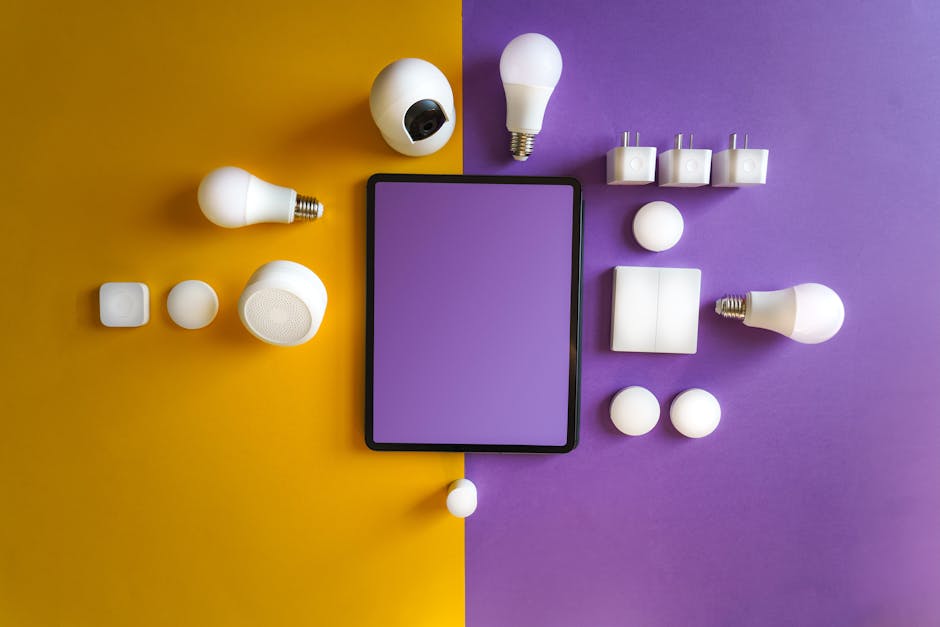
If you already have app-controlled garage doors and a home automation hub, integrating your mirror into that network feels like a natural progression. You can set the mirror to turn on as soon as your phone’s GPS detects you’ve pulled into the driveway.
When these devices flicker, it’s often a sign of a "handshake" error between the mirror's controller and your Wi-Fi network. If your mirror is smart-enabled, check the app associated with it. Sometimes a simple firmware update—just like your phone—clears up the flickering instantly.
The Value of Anti-Fog Convenience
Let’s talk about demister pads. These are the heating elements behind the glass Click here for more info that prevent fogging. If your mirror is flickering and the demister is also struggling, you likely have a shared power supply issue. A demister pad is a game-changer for anyone who takes a hot shower, but it draws a significant amount of power. If your bathroom mirror wiring isn't up to code or is pulling power from a circuit that is already overloaded (like a hair dryer), the voltage drop will absolutely cause the LEDs to flicker.
Maintenance and Energy Efficiency
LED mirrors are incredibly efficient, but they aren't immortal. One thing that drives me crazy about industry marketing is how they promise "lifetime" bulbs. LEDs don't burn out like old incandescent bulbs, but the *drivers* that power them eventually fail. If you notice a flicker that gets progressively worse over a few weeks, that’s a classic sign of a dying driver.
Quick Comparison: Standard vs. LED Mirror
Feature Standard Mirror LED Mirror Lighting Ambient (External) Integrated (Task-focused) Energy Usage N/A Very Low (approx. 20-40W) Maintenance Glass cleaner only Periodic driver/touch sensor check Troubleshooting None Wiring/Dimmer compatibilityThe Price Transparency Problem
Here is my biggest gripe with the home improvement industry: why is it so hard to find an honest price tag on these things? You look at a brochure, find a gorgeous vanity setup, and there isn't a single dollar sign in sight. You’re forced to "request a quote," which usually leads to a high-pressure sales call.
As a consumer, you shouldn't have to jump through hoops to find out if a mirror costs $200 or $1,200. When you’re vetting companies, prioritize those that offer clear specs and pricing upfront. If they hide their prices, they’re usually hiding the cost of low-quality components that will end up flickering in your bathroom within six months anyway.
Final Thoughts: Don't Panic
If your mirror is flickering, don't start shopping for a replacement yet. Start by taking it off the dimmer switch. Check your junction box to make sure the wires aren't loose. If you’re using a smart-enabled mirror, check your Google home app for a pending update.
Most of the time, the "flicker" is just a cry for help from a piece of tech that wasn't wired for the specific setup of your bathroom. Keep it simple, keep your connections tight, and save the fancy Bluetooth speakers for the living room.

Have you dealt with a flickering mirror in your SCV home? Let me know in the comments—I’ve probably seen the exact same issue at the counter.